


Dual Console vs Single Console Boats: Key Differences
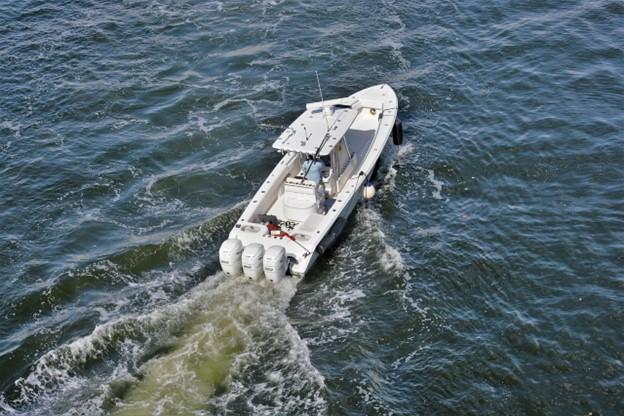
When shopping for a new powerboat, prospective buyers are faced with a decision between single console and dual console configurations. While both offer open cockpit designs, there are some key differences in features and performance between these console layouts. Here’s a look at the distinguishing factors between dual console and single console boats.
Seating Arrangement
The most obvious difference is the seating layout provided by one console versus two consoles. Dual console boats provide a walkthrough center aisle with helm seating on both sides. Passengers can face forward or backwards. Single console boats have simple bench seating focused towards the bow, all facing the same direction.
Dual console boats allow for seating that is spread apart, making movement fore and aft easier. However, the walkthrough aisle is more obstructed on dual consoles when seats are rotated. Single consoles offer cleaner forward lines of sight from the helm since there is no second console obstructing the middle.
Helm Design
On dual console boats, there are two complete helm stations, each fully equipped for operation. Single console boats have just one central helm for controlling the vessel. For some, two steering and throttle positions gives a greater sense of control and flexibility. However, dual stations add complexity in synchronization and cost.
Having dual helms allows operators to switch sides depending on conditions, spread out guests, or teach others to drive the boat. For singles, the solo helm position is simpler and centered for visibility. But there’s no redundancy if controls fail. Overall helm layouts and multifunction displays are similar between styles.
Open Cockpit Space
With steering and throttles consolidated into a single station, single console boats tend to have more unobstructed open cockpit space. The area flows together contiguously from bow to stern. Dual console layouts segment the cockpit space on either side of the aisle. Moving between sides requires traversing the aisle.
On the other hand, segmented cockpit space allows for more specialized uses port and starboard. Different activities can happen simultaneously using either side independently. Single consoles typically align activities fore and aft. More open flow can be beneficial or restrictive depending on intended use.
Performance Factors
Overall performance is largely determined by hull design, not console layout. But some secondary performance differences exist. Dual consoles add more weight and wind resistance with the extra structure compared to single consoles. This slightly hinders speed and fuel efficiency.
However, the tandem helm control on dual consoles provides more adaptable steering during aggressive maneuvers, surfing, or tow sports. The split cockpit space also aids moving weight balance as needed to improve handling. Again, hull design remains the primary performance factor over console style alone.
Onboard Amenities
Both dual and single console boats can be equipped with fishing features, watersports accessories, cabin comforts and entertainment systems. Center consoles focus these amenities either fore/aft or split port/starboard.
Fishing amenities like baitwells, tackle storage and rocket launchers can be optimized on either layout. Dual consoles allow amenities to be separated for multi-activity excursions. Single consoles centralize amenities for streamlined access and utility.
Passenger Capacity
Depending on boat size, one console or two doesn't inherently provide more passenger capacity. Both styles can seat large groups using rear and bow benches. Dual console walkways do allow easier movement for passenger ingress and egress at dockside. Singles may require climbing over seats.
Cost and Maintenance
Dual console boats have greater material and construction costs compared to single consoles of equivalent size. The extra helm, fiberglass work, outfitting and complex wiring result in a higher purchase price. Maintenance logistics and expenses are also increased slightly with dual stations.
In summary, the ideal console configuration comes down to individual preference and planned usage. Dual consoles provide flexibility and control while single consoles emphasize simplicity and spaciousness. Weigh these key differences carefully before deciding between the two formats.