

Fuel System and Injection Problems in Volvo Penta Engines: Diagnostic and Prevention Guide
Marine engine reliability depends heavily on fuel system integrity, and Volvo Penta engines are no exception. Fuel-related problems represent one of the most frequent causes of performance degradation and operational failures in these powerplants. Understanding the complexities of fuel delivery systems, recognizing warning signs early, and implementing proper maintenance protocols can save boat owners thousands in repair costs while ensuring dependable performance on the water.
Key Takeaways for Fuel System Health:
- Prevention is cheaper than repair: Quality fuel, proper additives, and timely maintenance prevent expensive failures
- Early detection saves money: Recognizing symptoms early prevents cascade failures
- Documentation drives success: Maintenance records identify patterns and ensure timely service
- Professional service has value: Some tasks require specialized equipment and expertise
- Quality matters: OEM or premium aftermarket parts outperform cheap alternatives
- Consistency is critical: Regular maintenance schedules prevent most fuel system problems
Understanding Fuel System Architecture
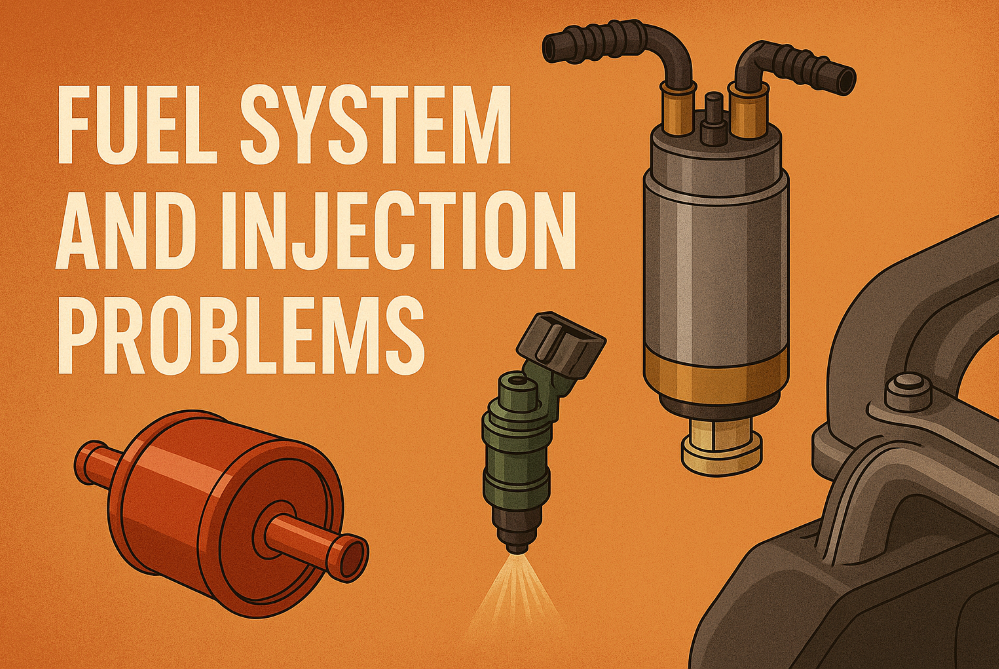
Modern Volvo Penta engines utilize sophisticated fuel delivery systems that must maintain precise pressure, filtration, and injection timing. Whether gasoline or diesel, these systems consist of interconnected components including:
- Fuel tanks and internal pickup assemblies
- Fuel lines and hoses connecting all components
- Primary and secondary fuel filters
- Fuel pumps (mechanical or electric)
- Fuel pressure regulators
- Fuel injectors or injection pumps
- Electronic control modules and sensors
Each element plays a critical role in delivering clean, properly atomized fuel to the combustion chamber at exactly the right moment. Diesel engines face additional challenges due to their high-pressure injection requirements and sensitivity to fuel contamination. Water infiltration poses particular risks in marine environments, where condensation and hull penetration create constant vulnerability. Even small amounts of water can cause catastrophic damage to precision injection components.
Root Causes of Fuel System Failures
Contaminated and Degraded Fuel
Marine fuel degradation occurs more rapidly than automotive fuel due to constant exposure to moisture, temperature fluctuations, and extended storage periods between uses. Key degradation factors include:
- Ethanol-blended gasoline absorbs water readily, leading to phase separation that can starve engines or introduce corrosive water into fuel systems
- Diesel fuel develops algae and bacterial growth when water is present, creating sludge that clogs filters and damages injectors
- Temperature cycling accelerates chemical breakdown and promotes condensation
- Extended storage allows oxidation and polymerization that forms varnish deposits
Filtration System Breakdown
Clogged fuel filters represent the most common fuel-related issue in Volvo Penta engines. Filters trap contaminants before they reach sensitive injection components, but when overwhelmed by debris, water, or biological growth, they restrict fuel flow. Critical filtration issues include:
- Sediment accumulation from tank corrosion or contaminated fuel
- Biological growth in diesel systems creating thick sludge
- Water saturation of filter media reducing filtration capacity
- Inadequate filter maintenance intervals allowing complete blockage
Water separators in diesel systems require regular draining; failure to do so allows accumulated water to pass downstream.
Fuel Pump and Controller Malfunctions
Fuel pumps must maintain consistent pressure across varying engine loads and RPM ranges. Common pump failures include:
- Electric fuel pump failures due to electrical issues, worn internal components, or overheating from running dry
- Mechanical pump wear causing reduced output pressure and volume
- Controller malfunctions in newer engines with electronic pressure regulation
- Contamination damage from particles bypassing filtration
- Vapor lock in gasoline systems during hot conditions
Fuel pump controllers in newer engines regulate pressure electronically; their failure can cause erratic pressure delivery that manifests as performance inconsistencies.
Injector Degradation and Damage
Fuel injectors contain precision components with clearances measured in microns. Common injector problems include:
- Carbon deposits accumulating on injector nozzles, altering spray patterns and fuel delivery volumes
- Water-induced corrosion and pitting on injector surfaces
- Electrical failures in solenoid-operated injectors
- Mechanical wear in high-pressure diesel injection systems
- Contamination causing internal sticking or leakage
Dirty injectors result in incomplete combustion, reduced power output, increased emissions, and potential engine damage from improper fuel-air mixtures.
Air Infiltration in Fuel Lines
Air leaks in fuel systems create multiple problems, particularly in diesel engines where even microscopic air leaks can prevent proper starting and cause engine stalling. Common air entry points:
- Deteriorated fuel hoses developing microscopic cracks
- Loose fittings and connections from vibration
- Failed O-rings at filter housings
- Damaged fuel line quick-disconnects
- Compromised pump seals
Air pockets disrupt fuel pressure and create inconsistent injection timing that affects performance across all operating conditions.
Water Contamination Pathways
Water enters marine fuel systems through multiple routes:
- Condensation in partially filled tanks as temperatures fluctuate
- Compromised tank vents allowing rain and spray intrusion
- Deck fill cap failures with damaged or missing gaskets
- Contaminated shore-side fuel from inadequate marina tank maintenance
- Hull penetrations below waterline in severe cases
Diesel fuel tanks naturally accumulate water at the bottom due to density differences, creating ideal conditions for microbial growth that accelerates fuel degradation and filter clogging.
Pressure Regulation Failures
Faulty fuel pressure regulators cause inconsistent fuel delivery affecting engine performance across the RPM range. Regulator failures result from:
- Internal diaphragm rupture from age or contamination
- Spring fatigue reducing pressure setpoint accuracy
- Contamination preventing proper valve seating
- Vacuum line failures on vacuum-referenced regulators
Excessive pressure can damage injectors and cause over-fueling, while insufficient pressure results in fuel starvation, particularly under load.
Recognizing Fuel System Problems
Starting Difficulties and Complete Failure
Hard starting indicates insufficient fuel delivery to the combustion chamber. Possible causes include:
- Empty or collapsed fuel lines preventing flow
- Clogged filters restricting fuel delivery
- Failed fuel pumps unable to generate pressure
- Air leaks introducing bubbles into fuel stream
- Severe fuel degradation preventing combustion
- Complete pump failure eliminating fuel delivery
In diesel engines, air in the fuel system frequently prevents starting until properly bled according to manufacturer procedures.
Engine Hunting and Surging at Idle
When an engine hunts or surges—alternately speeding up and slowing down without throttle input—inconsistent fuel delivery is usually responsible. This symptom indicates:
- Fluctuating fuel pressure from a failing pump
- Partially clogged filters creating intermittent restriction
- Air bubbles in fuel lines disrupting consistent flow
- Malfunctioning pressure regulators struggling to maintain setpoints
- Sticking injectors causing erratic fuel delivery
Power Loss Under Load
Insufficient fuel delivery becomes most apparent when engines are under load. Contributing factors include:
- Restricted fuel filters limiting maximum flow capacity
- Weakening fuel pumps unable to meet high-demand requirements
- Partially clogged injectors reducing fuel delivery volume
- Inadequate fuel pressure under load conditions
- Contaminated fuel with reduced energy content
This manifests as sluggish acceleration and inability to reach rated RPM.
Exhaust Smoke Analysis
Smoke color provides valuable diagnostic information:
- Black smoke indicates over-fueling—too much fuel relative to available air, occurring with:
- Stuck-open injectors delivering excessive fuel
- Excessive fuel pressure overwhelming normal metering
- Malfunctioning engine management systems
- Clogged air filters limiting oxygen availability
- White smoke suggests water contamination in the combustion process from:
- Water in fuel reaching the cylinders
- Coolant leaks into combustion chamber (typically appears blue-white with sweet smell)
- Condensation in exhaust system during cold starts (dissipates quickly)
Stalling Across RPM Ranges
Random stalling at various engine speeds points to severe fuel delivery inconsistencies:
- Complete flow interruption from totally clogged filters
- Sudden fuel pump failure eliminating pressure
- Significant air leaks allowing large air bubbles to reach injectors
- Water slugs reaching injection system
- Electrical failures in electronic fuel systems
In diesel engines, water reaching injectors may cause sudden stalling as combustion becomes impossible.
Comprehensive Solutions and Repair Approaches
Filter Replacement Protocols
Establish a strict filter replacement schedule—annually or every 100 operating hours, whichever comes first. Best practices include:
- Replace both primary and secondary filters simultaneously
- Use OEM or high-quality aftermarket filters meeting Volvo Penta specifications
- Prefill diesel filters with clean fuel before installation to prevent air introduction
- Inspect filter housings for cracks or damage during replacement
- Replace housing O-rings and seals with each filter change
- Check filter media for unusual contamination indicating upstream problems
- Increase replacement frequency in contaminated fuel environments
Fuel Quality Management
Source fuel exclusively from reputable marinas with high turnover to ensure freshness. Quality control measures include:
- Use marine-grade fuel rather than automotive fuel when possible
- Add quality fuel additives designed for marine applications:
- Stabilizers to prevent degradation during storage
- Biocides to control microbial growth in diesel tanks
- Injector cleaners to remove deposits
- Water dispersants to handle minor moisture
- Avoid fueling immediately after tanker deliveries to marinas
- Fill tanks completely to minimize condensation space
- Consider fuel testing if contamination is suspected
Water Separation and Removal
Install a high-efficiency water-separating fuel filter as the first filtration stage, particularly critical for diesel engines. Maintenance procedures:
- Check separator bowls weekly during active use
- Drain accumulated water immediately upon discovery
- Replace separator elements according to manufacturer schedules
- Make water separation inspection part of pre-departure routines
- Install drain valve at lowest point in fuel system for periodic draining
- Consider adding fuel tank drain plugs for complete water removal
Professional Injector Servicing
Schedule professional fuel injector cleaning and flow testing every 200-300 operating hours or whenever performance degradation occurs. Service includes:
- Ultrasonic cleaning to remove carbon deposits
- Flow testing to verify correct delivery volumes
- Spray pattern analysis to ensure proper atomization
- Electrical testing for solenoid-operated injectors
- Replacement of severely damaged or out-of-specification injectors
Professional service equipment provides restoration impossible with over-the-counter additives.
Fuel Line Inspection and Maintenance
Systematically inspect all fuel lines, hoses, and connections for deterioration. Inspection points include:
- Check for cracking, softening, or hardening of fuel hoses
- Examine hose ends where clamps compress material—common failure points
- Look for fuel staining indicating weeping or leakage
- Verify all connections are tight but not over-torqued
- Test hoses for flexibility and resilience
- Replace fuel hoses proactively every 5-7 years regardless of appearance
- Use marine-grade fuel hose rated for your fuel type:
- Ethanol-compatible for gasoline systems
- Diesel-rated hose for compression ignition engines
Proper Bleeding Procedures for Diesel Engines
Master fuel system bleeding techniques for diesel Volvo Penta engines. Bleeding is essential after:
- Filter changes
- Injector service or replacement
- Fuel line repairs
- Running out of fuel
- Any situation where air enters the system
Standard bleeding procedures typically involve:
- Fill filters with clean fuel before installation when possible
- Operate manual lift pump or turn on electric pump
- Loosen bleed screws at filters and injector pump
- Allow fuel to flow until bubble-free
- Tighten bleed screws in proper sequence
- Crank engine if necessary to complete bleeding
- Check for leaks after starting
Follow manufacturer procedures precisely for your specific engine model, as sequences vary.
Fuel Pump Testing and Replacement
Test fuel pump output pressure and volume using appropriate gauges and procedures. Testing steps:
- Connect calibrated pressure gauge to test port or fuel line
- Measure static pressure with engine off, pump energized
- Test dynamic pressure at idle and under load
- Compare results against specifications for your engine model
- Measure fuel volume delivery over timed interval
- Inspect for pressure fluctuations indicating internal wear
Weak pumps must be replaced—repair is rarely cost-effective. When replacing electric fuel pumps:
- Inspect wiring and connections for corrosion
- Ensure adequate ventilation and cooling for pump installations
- Verify proper electrical supply voltage
- Install inline fuse protection if not factory-equipped
- Test system pressure after installation
Pressure Regulator Service
If pressure regulation problems are diagnosed, replace the fuel pressure regulator. Service considerations:
- Regulators are typically not serviceable and require replacement as assemblies
- Verify proper system pressure after installation using calibrated gauge
- Check vacuum line connections on vacuum-referenced regulators
- Inspect fuel return lines for restrictions
- Test under varying load conditions to ensure consistent regulation
Incorrect pressure even after regulator replacement may indicate other system problems requiring further diagnosis.
Preventive Maintenance
Fuel Quality Control From Purchase to Consumption
Prevention begins at the fuel dock. Best practices include:
- Fill tanks completely to minimize condensation space (leave slight expansion room)
- Avoid fueling after tanker deliveries to marinas, allowing stirred-up sediment to settle
- Add stabilizer immediately at fueling to protect fuel from the moment it enters your tank
- For extended storage periods beyond 30 days, increase stabilizer concentration
- Source fuel from high-volume marinas ensuring product freshness
- Keep fueling receipts noting date and source for troubleshooting
- Consider fuel testing if engine performance degrades despite maintenance
Tank Maintenance and Inspection
Inspect fuel tanks annually for corrosion, coating deterioration, and sediment accumulation. Maintenance tasks:
- Professional tank cleaning every 3-5 years, particularly for diesel systems
- Inspection for corrosion, coating failure, and structural integrity
- Verify tank vents are clear and properly designed to minimize water entry
- Ensure fill and vent fittings are sealed correctly
- Check tank straps and mounting hardware
- Inspect aluminum tanks for electrolytic corrosion
- Consider polishing diesel fuel to remove water and sediment
- Install inspection ports if not factory-equipped for easier maintenance
Water Separator Monitoring
Make water separator inspection part of your routine vessel checks:
- During active seasons: Check weekly or before each voyage
- Before extended voyages: Always verify clean, water-free separator
- After fueling: Check within 24 hours as new fuel may contain water
- After heavy weather: Condensation and tank agitation may introduce water
Maintenance procedures:
- Clear bowls make visual inspection simple
- Drain any visible water immediately
- Replace separator elements according to manufacturer schedules, even if they appear clean
- Document water removal frequency to identify patterns
- Excessive water accumulation may indicate tank or vent problems requiring attention
Seasonal Preparation and Storage
Proper seasonal preparation prevents fuel system problems during storage and ensures reliable spring startup:
Pre-Storage Tasks:
- Fill tanks completely with treated fuel to minimize condensation
- Add fuel stabilizer at double the normal concentration for extended storage
- Run engines after adding stabilizer to distribute treated fuel throughout the system
- Consider fogging gasoline engines per manufacturer procedures
- Verify no water is present in separators before storage
- Replace fuel filters if due within storage period
- Document fuel treatment date and products used
During Storage:
- Run engines monthly if possible to circulate fuel and prevent component seizure
- Check for fuel leaks or hose deterioration during monthly inspections
- Verify bilge is dry—fuel leaks during storage indicate problems
- Monitor fuel tank vents remain clear
Spring Recommissioning:
- Inspect all fuel system components before first start
- Replace filters if stored for more than 6 months
- Check fuel quality—appearance, odor, water test
- Drain water separators completely
- Consider adding fresh fuel if storage exceeded stabilizer protection period
Documentation and Record Keeping
Maintain detailed records of all fuel system maintenance:
Essential Documentation:
- Filter change dates and operating hours
- Fuel additive treatments—type, concentration, date
- Pump replacements or repairs
- Injector service—cleaning dates, replacement units
- Fuel sources and any quality issues encountered
- Water removal frequency from separators
- Operating hours (total and since last service)
- Unusual symptoms or performance changes
This documentation helps establish patterns, ensures timely preventive maintenance, and provides valuable information if troubleshooting becomes necessary. Digital logs with photos can be especially valuable for insurance claims or when seeking professional assistance.
Advanced Diagnostic Considerations
Electronic System Integration
Modern Volvo Penta engines incorporate electronic engine management systems that control fuel injection timing, duration, and pressure. Diagnostic capabilities:
- Diagnostic Trouble Codes (DTCs) can indicate fuel system problems before symptoms become severe
- Codes may reference specific sensors, actuators, or system parameters
- Multiple related codes often point to root cause
- Intermittent codes may indicate developing problems
Diagnostic tools and practices:
- Invest in appropriate diagnostic interface for your engine model
- Establish relationships with technicians who can access and interpret codes
- Clear codes only after identifying and correcting root cause
- Monitor for code recurrence indicating incomplete repair
- Remember sensor failures may mimic fuel delivery problems, requiring systematic diagnosis
Fuel System Pressure Testing
Comprehensive pressure testing identifies restrictions, leaks, and component failures not apparent through visual inspection. Testing procedures:
Test Point Locations:
- Tank outlet pressure
- Filter inlet and outlet pressures
- Pump outlet pressure
- Fuel rail or injector supply pressure
- Return line pressure (if applicable)
Testing Procedures:
- Install calibrated gauges at each test point
- Measure static pressure (pump running, engine off)
- Record dynamic pressure at idle
- Test under varying loads (25%, 50%, 75%, 100%)
- Note pressure drop across filters (indicates restriction level)
- Compare all readings against manufacturer specifications
Dynamic testing under varying loads reveals problems that don't appear at idle and provides comprehensive system evaluation.
Injector Balance Testing
Individual injector performance testing identifies weak or malfunctioning units even when others function correctly. Testing methods:
Professional Testing:
- Flow rate measurement for each injector
- Spray pattern analysis using specialized equipment
- Opening and closing time evaluation
- Leak-down testing for internal seal integrity
- Electrical resistance and inductance testing
Results Analysis:
- Compare individual injector performance against specifications
- Identify outliers requiring service or replacement
- Assess overall system balance
- Determine if pattern cleaning or replacement is needed
Unbalanced injector performance causes rough running, reduced efficiency, and potential engine damage. Professional testing provides definitive diagnosis when performance problems persist despite other maintenance.
Fuel system reliability in Volvo Penta engines demands attention to detail, quality components, and consistent maintenance. While fuel-related problems are common, they're largely preventable through proper practices.
The investment in quality fuel, appropriate additives, timely filter changes, and periodic professional service pales in comparison to costs associated with engine failure, towing, or missed boating opportunities. By prioritizing fuel system health, Volvo Penta owners ensure their engines deliver the performance and reliability these powerplants are designed to provide, season after season on the water.
Understanding how contamination enters systems, recognizing early warning signs, and implementing comprehensive maintenance protocols transforms fuel systems from liability to reliable asset that supports trouble-free marine adventures for years to come.