

How to Drive a Boat: A Comprehensive Guide for Beginners
Driving a boat can be an exhilarating experience, offering a unique blend of freedom and responsibility. Whether you're navigating a serene lake, cruising down a river, or venturing into the open sea, knowing how to properly operate a boat is crucial for both safety and enjoyment. This guide will walk you through the essential steps and considerations for driving a boat.
Preparation and Safety
Before you even start the engine, there are several important preparatory steps:
- Check the weather: Always check the forecast before heading out. Conditions can change rapidly on the water.
- File a float plan: Let someone on shore know your intended route and expected return time.
- Safety equipment: Ensure you have all required safety equipment on board, including life jackets, fire extinguishers, and signaling devices.
- Familiarize yourself with the boat: Learn the location of all controls, gauges, and safety equipment.
- Perform a pre-departure check: Inspect the fuel level, battery charge, and overall condition of the boat.
Starting the Engine
Once you're ready to depart:
- Ensure the boat is in neutral.
- Turn the key or push the start button.
- Allow the engine to warm up for a few minutes before departing.
Basic Boat Controls
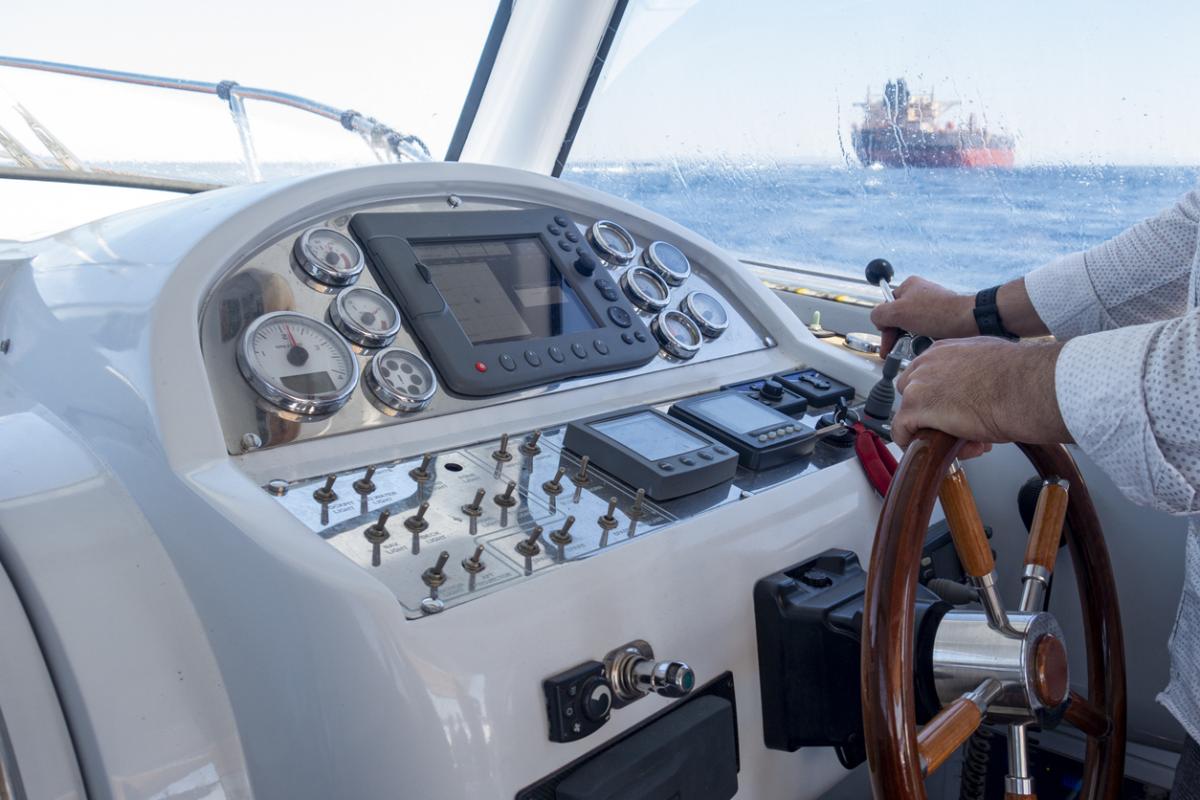
Understanding the basic controls is essential:
- Steering wheel: Works similarly to a car, turning the boat left or right.
- Throttle: Controls the engine speed. Pushing it forward increases speed, pulling back decreases it.
- Trim: Adjusts the angle of the outboard motor or stern drive, affecting how the boat rides in the water.
- Shifter: Puts the boat in forward, neutral, or reverse.
Leaving the Dock
When leaving the dock:
- Untie all lines securing the boat to the dock.
- Gently push off from the dock.
- Shift into forward gear and apply minimal throttle.
- Steer away from the dock, being mindful of wind and current.
Steering and Maneuvering
Steering a boat is different from driving a car:
- There's no brake: To slow down, you must reduce throttle or shift into neutral.
- Boats pivot from the stern: The back of the boat will swing out when turning.
- Steering response is slower: It takes time for the boat to respond to steering input, especially at low speeds.
- Wind and current affect movement: Always be aware of these factors and compensate accordingly.
- No lanes: There are general rules for passing other boats, but no defined lanes like on a road.
Rules of the Water
Understanding and following the rules of the water is crucial:
- Right of way: Generally, sail boats have right of way over power boats, and boats to your right have right of way.
- Speed limits: Many areas have speed limits, especially near shore or in congested areas.
- No-wake zones: In these areas, you must travel slowly enough to not create a wake.
- Navigation markers: Learn to read channel markers and other navigational aids.
Docking
Docking can be challenging for new boaters:
- Approach slowly: Never go faster than you're willing to hit the dock.
- Account for wind and current: These can push your boat off course.
- Use fenders: These will protect your boat from impact with the dock.
- Have lines ready: Prepare your mooring lines before approaching the dock.
- Use short bursts of power: Gentle, controlled movements are key.
Anchoring
Knowing how to anchor is an important skill:
- Choose a suitable location: Look for a flat bottom away from boat traffic.
- Approach into the wind or current: This will help set the anchor.
- Lower the anchor: Let out enough line (scope) for the water depth.
- Set the anchor: Gently reverse the boat to dig the anchor into the bottom.
- Check your position: Use landmarks to ensure you're not drifting.
Handling Different Water Conditions
Different water conditions require different handling techniques:
- Choppy water: Reduce speed and adjust your heading to minimize impact.
- Following seas: Be cautious of waves pushing your stern, which can cause broaching.
- Head seas: Approach waves at an angle to provide a smoother ride.
- Crossing wakes: Cross at a 45-degree angle and reduce speed if necessary.
Navigating in Low Visibility
When visibility is poor due to fog, rain, or darkness:
- Reduce speed: This gives you more time to react to obstacles.
- Use navigation lights: Ensure your boat's lights are on and functioning.
- Sound signals: Use appropriate sound signals to alert other boats of your presence.
- Use electronic aids: GPS and radar can be invaluable in low visibility.
Fueling
Proper fueling is crucial for safety:
- Turn off the engine and all electrical equipment.
- Close all windows, doors, and hatches to prevent fumes from entering the boat.
- Don't overfill: Fuel expands as it warms, so leave room in the tank.
- Clean up any spills immediately.
Emergency Situations
Being prepared for emergencies is vital:
- Man overboard: Immediately throw a flotation device, keep the person in sight, and maneuver the boat carefully to retrieve them.
- Fire: Use the fire extinguisher if safe to do so. If not, abandon ship and call for help.
- Taking on water: Identify the source if possible. Use bilge pumps and start bailing. If the situation worsens, prepare to abandon ship.
- Engine failure: Drop anchor if you're drifting into danger. Call for assistance if you can't resolve the issue.
Returning to Shore
When your boating day is done:
- Slow down as you approach the shore or marina.
- Observe no-wake zones.
- Prepare your docking lines and fenders.
- Dock carefully, following the same principles as when you departed.
Post-Trip Procedures
After your trip:
- Secure the boat properly to the dock or trailer.
- Remove any garbage and personal belongings.
- Perform a post-trip inspection, noting any issues that need attention.
- Flush the engine with fresh water if you've been in salt water.
- Cover the boat if it will be stored outside.
Driving a boat requires a unique set of skills and awareness. It's about more than just steering and controlling speed; it's about understanding the environment, respecting the water, and prioritizing safety at all times. With practice, you'll develop the confidence and intuition needed to handle your boat in various situations.
Remember, the best boaters are always learning. Consider taking a boating safety course, even if it's not required in your area. These courses can provide valuable information and may even reduce your boat insurance premiums.
Lastly, always boat responsibly. Never operate a boat under the influence of alcohol or drugs, always wear a life jacket, and respect the environment and other boaters. With the right knowledge and attitude, boating can be a safe, enjoyable, and rewarding experience for years to come.