

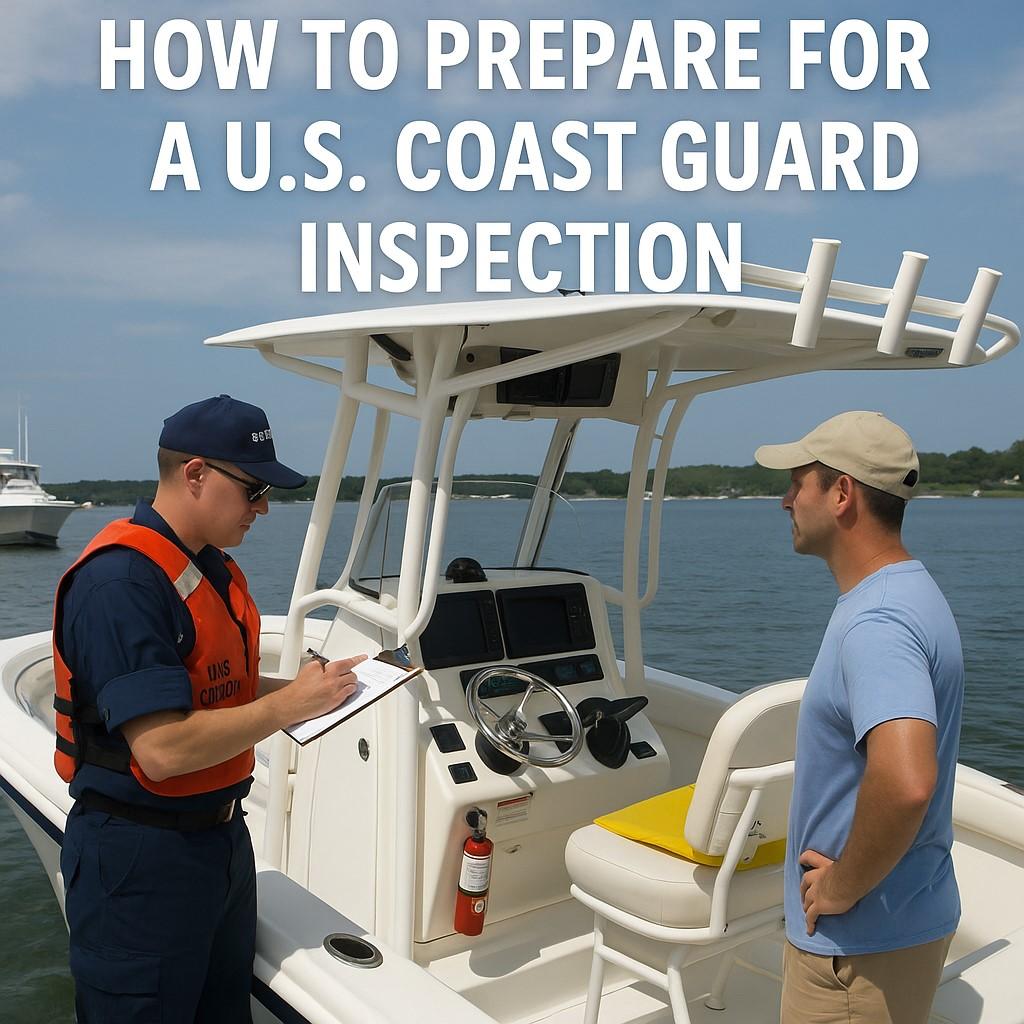
How to Prepare for a U.S. Coast Guard Inspection
Key Takeaways:
- U.S. Coast Guard inspections check for critical safety equipment, documentation, and vessel condition.
- Preparing in advance can help you pass smoothly, avoid fines, and ensure your boat is legally compliant and safe.
- Focus on life jackets, fire extinguishers, signaling devices, navigation lights, and vessel documentation.
Why Coast Guard Inspections Matter
Whether you're operating a small fishing boat or a larger recreational vessel, the U.S. Coast Guard (USCG) can inspect your boat at any time. These inspections are designed to promote safety on the water and enforce compliance with federal and state boating laws.
A surprise inspection can feel intimidating, but with the right preparation, you can turn it into a quick and routine experience. More importantly, passing an inspection ensures you and your passengers are safer every time you set sail.
Here’s everything you need to know to prepare your boat and crew for a Coast Guard inspection.
Key Areas the Coast Guard Will Inspect
The Coast Guard primarily checks for safety equipment, proper documentation, and vessel seaworthiness. Below is a detailed breakdown of what you should review before heading out.
Life Jackets (Personal Flotation Devices)
Life jackets are a top priority for inspectors. Every boat must have one U.S. Coast Guard-approved life jacket for each person on board. Life jackets must be readily accessible, not stored in locked compartments. Children under a certain age (usually under 13) must wear a life jacket at all times while the vessel is underway, depending on state laws. Boats over 16 feet in length must also carry a throwable flotation device, such as a life ring or buoyant cushion.
Fire Extinguishers
Fire extinguishers must be onboard, properly rated for marine use, and in working order. Inspect the gauge to ensure it is charged. Check the expiration date. Mount extinguishers securely in easily accessible locations. The number of fire extinguishers required depends on the size of the vessel and whether it has permanently installed fuel tanks or enclosed spaces.
Visual Distress Signals
All boats operating on coastal waters, the Great Lakes, or high seas must carry U.S. Coast Guard-approved visual distress signals. Boats under 16 feet only need them for night use. Boats 16 feet and longer must have both day and night signals (such as flares, orange smoke, or signal flags). Expired flares are a common reason for inspection failure, so always check expiration dates.
Sound-Producing Devices
You must have a sound device capable of producing an audible signal for at least four seconds. This can be a handheld whistle, air horn, or installed bell or horn. Larger vessels may have specific requirements for bells and gongs based on length.
Navigation Lights
If you operate your boat between sunset and sunrise, or in low visibility, you must have the correct navigation lights. Test all lights before departure. Replace burned-out bulbs immediately. Ensure lenses are clean and visible from the required distances.
Vessel Registration and Documentation
Inspectors will ask for proof of registration or documentation. State-registered vessels must display current registration numbers and stickers properly. Documented vessels (typically larger or commercial boats) must have a valid Certificate of Documentation onboard.
Pollution Prevention Equipment
Depending on the size of your vessel, you may be required to have certain environmental compliance equipment. Boats with installed toilets must have a Marine Sanitation Device (MSD). You may also need oil discharge placards and garbage disposal signage.
Emergency Equipment
Beyond the minimum legal requirements, the Coast Guard often encourages having an anchor and sufficient anchor line, a bilge pump or bailing device, spare parts and tools, a first-aid kit, and an emergency position-indicating radio beacon (EPIRB) for offshore vessels. While not always mandatory for every boat, these items increase your preparedness and may be noted favorably during an inspection.
Tips for Passing a Coast Guard Inspection
Perform a Self-Inspection: Use the Coast Guard’s Vessel Safety Checklist or request a voluntary inspection from the U.S. Coast Guard Auxiliary or U.S. Power Squadrons to identify any issues before official boarding.
Maintain Equipment Regularly: Make maintenance part of your routine so equipment like fire extinguishers, life jackets, and navigation lights are always in compliance.
Train Your Crew: Ensure everyone on board knows the location and operation of safety equipment. A knowledgeable crew improves overall safety and reflects well during an inspection.
Stay Organized: Have all your documentation ready in a waterproof bag or folder. Quickly producing paperwork minimizes the time inspectors spend onboard.
Be Professional and Cooperative: A respectful, positive attitude can set the tone for a smooth inspection. Most Coast Guard officers are courteous and focused on ensuring your safety.
Common Reasons for Failing an Inspection
Missing or expired flares. Non-functioning navigation lights. Insufficient life jackets or improperly stored life jackets. Fire extinguishers not charged or accessible. Failure to produce registration or documentation. Being aware of these pitfalls and addressing them ahead of time can greatly increase your chances of passing.
Final Thoughts
A U.S. Coast Guard inspection does not have to be a stressful experience. By preparing your boat thoroughly, maintaining the required equipment, and staying organized, you will not only pass the inspection but also enhance the safety of everyone on board.
Whether you are planning a weekend cruise, a fishing expedition, or a long-distance voyage, being prepared ensures you can enjoy your time on the water with confidence and peace of mind.