


Keeping Your Boat Afloat: The Importance of Bilge Cleaning
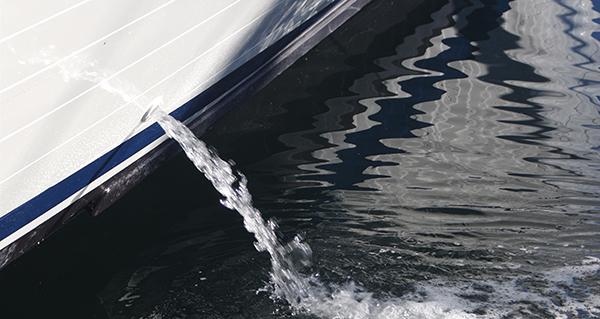
If you're a boat owner, you'll agree that boat maintenance is essential, and that includes maintaining the bilge. This part of your boat might not get much attention, but it plays a critical role. In this article, we'll dive deep into bilge maintenance, explaining why it's important, what tools you'll need, and providing a step-by-step guide to keeping your bilge in shipshape.
The Purpose of the Bilge
Let's start at the beginning. What's a bilge, and why does it matter? The bilge is the lowest part of your boat, designed to collect excess water that finds its way onboard. It's your boat's "catch basin" if you like. This may include rainwater, seawater, or even condensation from your boat's engine.
Importance of Bilge Maintenance
Bilge maintenance is often overlooked, but it's a significant part of keeping your boat in good shape. A neglected bilge can lead to unpleasant smells, growth of bacteria and, worst of all, serious damage to your boat's structure. Plus, if your bilge pump isn't functioning properly, it won't effectively remove water, which could potentially cause your boat to sink.
Tools and Supplies Needed for Bilge Maintenance
Just like a good cook needs the right utensils, a boat owner needs the right tools for bilge maintenance. These include a high-quality bilge cleaner, a scrub brush, gloves, buckets, and a wet/dry vacuum. And, of course, your boat's bilge pump.
Step-by-Step Guide to Bilge Maintenance
Regular Bilge Inspection
It all starts with regular inspections. Keep an eye on your bilge and its pump to spot any issues early on. Look for signs of oil leaks, debris, and water buildup.
Cleaning the Bilge
- Preparing to Clean Before you start scrubbing away, be sure to remove any loose debris or oil in the bilge. This step can save you a lot of scrubbing effort later.
- Applying the Cleaner Now it's time to apply your chosen bilge cleaner. It's recommended to use a marine-specific cleaner that's biodegradable and won't harm aquatic life. Follow the instructions on the cleaner; most will need to be diluted with water. Once mixed, you can apply the solution directly to the bilge.
- Rinsing the Bilge After allowing the cleaner to do its work (typically 10-30 minutes), you can rinse the bilge with fresh water. Using a wet/dry vacuum, suck up all the dirty water and dispose of it properly. Please note that it's illegal to pump this water overboard due to environmental regulations.
Maintaining the Bilge Pump
- Checking the Bilge Pump Your bilge pump plays an essential role in keeping your boat afloat by pumping out any water that accumulates in the bilge. Regularly check the bilge pump to make sure it's working efficiently. Look for any signs of damage and test the pump to make sure it's successfully removing water.
- Cleaning the Bilge Pump Over time, the bilge pump may get dirty and become less efficient. Remove the pump and clean it according to the manufacturer's instructions. Make sure to replace any worn-out parts to keep your bilge pump working smoothly.
- Preventative Bilge Maintenance Tips Prevention is better than cure, as the saying goes. Regular inspections and cleaning are key to preventing problems in your bilge. Also, consider using oil absorbent pads or bilge booms to catch oil and prevent it from spreading in the bilge.
- Troubleshooting Common Bilge Issues In spite of regular maintenance, you might encounter a few issues. If your bilge pump isn't working, it could be due to a power issue, a broken float switch, or a clog in the system. Always start by checking the simplest issues (like power supply or blown fuse) before moving on to more complex problems.
Conclusion
Maintaining the bilge on your boat is not just a good practice—it's a necessity. A clean, well-maintained bilge contributes to the overall performance, safety, and longevity of your boat. With the right tools, a little elbow grease, and this guide, you're well on your way to becoming a bilge maintenance pro.
Frequently Asked Questions
- How often should I clean my boat's bilge? It largely depends on usage, but as a rule of thumb, inspect your bilge before and after each outing, and aim for a thorough cleaning every three months.
- Can I use any type of cleaner to clean my bilge? It's advisable to use marine-specific bilge cleaners that are biodegradable and safe for the environment.
- Why isn't my bilge pump working? It could be due to a power issue, a broken float switch, or a clog in the pump. Start troubleshooting from simple to complex.
- Can I dispose of bilge water overboard? No, it's illegal to pump bilge water overboard due to environmental regulations.
- Can I do bilge maintenance by myself? Yes, with the right tools and guidance, you can perform bilge maintenance yourself. However, for complex issues, consider seeking professional help.