

Marine engine safety tips
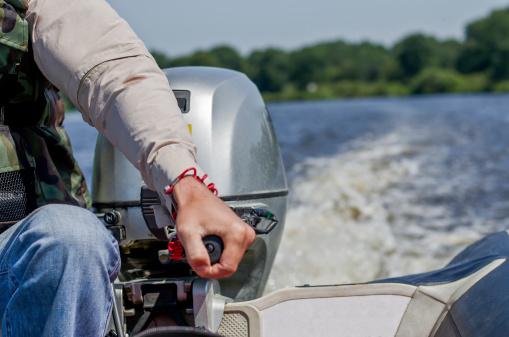
Marine engines are divided into the categories of; Outboard, Inboard and Inboard/Outboard. Like your car they need regular fluid changes, proper fuel (or fuel/oil mix if it’s a 2 cycle outboard), and winterizing for storage.

Oil Changes
Rather than “miles” between service, boats use “hours” to determine maintenance schedules. Owner’s manuals should be consulted to verify proper fluid changes. You may see suggested engine and gear oil change at every 100 hours or yearly. Always use oil rated for marine lower units and engine oil can be your choice much like your car.
Don't Start Dry
Marine engines should never be started “dry”. Always connect a water source to the engines water intake and let it run before starting the engine. Starting an engine dry can damage the engine’s rubber water pump easily because of high friction. Without a water pump the engine will over heat. Some boats only have a high temp buzzer to alert the operator the engine is out of normal operating range. Many times a water pump that needs to be changed is signaled by high engine temperatures at low speeds only. The pump may not be able to sufficiently draw in water to cool the engine, yet seems fine at higher speeds. Sometimes this is nothing more than a clogged water inlet. Should you find yourself with an over heating engine, you should stop and allow the engine to cool, then you can drive until the engine heats up again. At that point repeat the process until you get to shore.
Winterizing
Winterizing poses great damage possibilities, if not done properly. Cars use antifreeze to prevent freeze damage. Boats engines are cooled by the lake water and when they’re pulled from use, there’s normally some left in the engine. This water needs to be drained before being exposed to freezing temperatures to prevent damage.
Auto parts may not be a safe swap
Some boat engines are based on automobile engines. Therefore, many people opt for the cheaper repair parts from the auto parts store, rather than purchase marine grade repair parts. This practice should be avoided, because marine engines and their bays are built to reduce sparking and ignition hazards, should there be an explosive gas mixture present. Automotive engines and parts are not designed with this safety feature because most car engine compartments are not entirely closed spaces.
Please give your watercraft engines and outdrives the same attention as your daily driver. With proper maintenance, you should get years of dependable service and lots of summer time water sports fun.