

Navigating the Dangers: What to Do in a Lightning Storm on a Boat
Key Takeaways:
- Lightning storms pose a serious threat to boaters, with the potential for injury, fire, and equipment damage.
- Preparation is key - monitor weather reports, seek safe harbor, and have proper safety equipment on board.
- If caught in a lightning storm, take immediate action by lowering antennas, avoiding contact with metal surfaces, and keeping everyone low in the boat.
- After the storm passes, inspect the boat thoroughly for potential damage and make necessary repairs before continuing your journey.
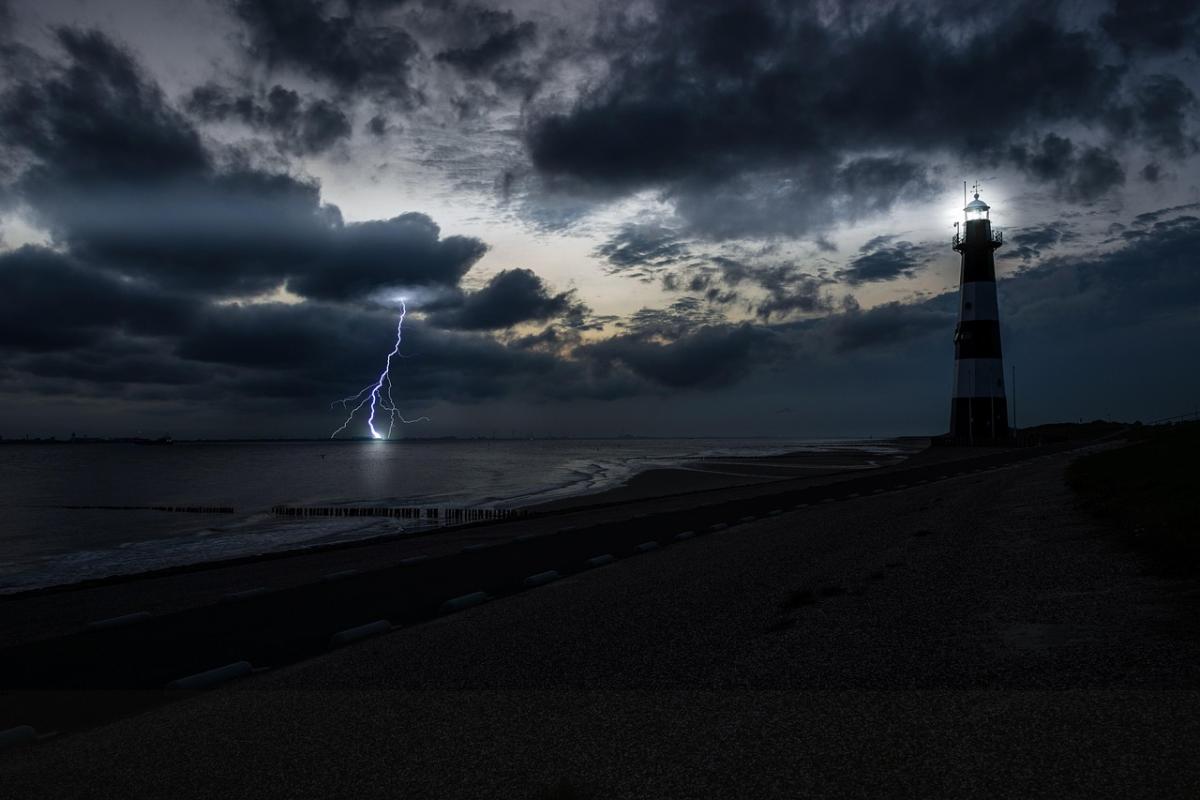
For boaters, few scenarios are more harrowing than being caught in a lightning storm while out on the water. These powerful weather events can strike without warning, leaving little time to react and posing serious risks to the safety of passengers and the vessel itself. However, by understanding the dangers and taking the proper precautions, boaters can greatly improve their chances of weathering the storm safely.
Understanding the Risks
Lightning is a potent force of nature, capable of generating temperatures hotter than the surface of the sun and carrying electrical currents in excess of 30 million volts. When a lightning bolt strikes a boat, the consequences can be catastrophic, ranging from personal injury and fires to damage to electrical systems and navigation equipment.
Additionally, lightning strikes can create shock waves that can rupture fuel tanks or damage the hull, potentially causing the boat to sink or capsize. Even if a direct strike is avoided, nearby lightning can induce powerful electrical currents in the vessel's metal components, posing a risk of electrocution or fire.
Preparation is Key
As with most emergencies on the water, preparation is crucial when it comes to dealing with lightning storms. Before setting sail, it's essential to monitor weather reports and forecasts closely, paying particular attention to any warnings or advisories for thunderstorms or lightning activity in the area.
If the forecast indicates a high likelihood of severe weather, it's best to postpone or reschedule the trip until conditions improve. However, if a storm develops unexpectedly while on the water, boaters should immediately take steps to seek safe harbor or shelter.
Safety Equipment and Procedures
Proper safety equipment is vital for mitigating the risks associated with lightning storms on a boat. All vessels should be equipped with a lightning protection system, which includes grounding wires, bonding connections, and air terminals (lightning rods) designed to safely dissipate electrical charges.
Additionally, boaters should have access to non-conductive emergency equipment, such as life jackets, paddles, and boat hooks, to minimize the risk of electric shock in the event of a nearby strike.
If caught in a lightning storm, immediate action is crucial. The first step is to lower all antennas, outriggers, and other vertical metal components to reduce the risk of a direct strike. Next, passengers should move to the center of the boat and avoid contact with metal surfaces, which can conduct electricity in the event of a nearby strike.
It's also advisable to remove any personal metal objects, such as jewelry or watches, and to refrain from using electrical or electronic equipment during the storm. If possible, passengers should crouch or lie down in the center of the boat, keeping their weight low and minimizing exposure to potential shock waves or flying debris.
Post-Storm Inspection and Repairs
Once the lightning storm has passed, it's essential to inspect the boat thoroughly for any potential damage or issues. Start by checking for any signs of fire or smoke, as well as any visible damage to the hull, electrical systems, or fuel tanks.
If a direct lightning strike is suspected, it's crucial to have a professional inspect the boat and make any necessary repairs before continuing your journey. Lightning strikes can cause invisible damage to electrical systems, wiring, and other components, which can lead to further problems if left unaddressed.
In addition to structural and electrical inspections, boaters should also check all safety equipment, such as life jackets and fire extinguishers, to ensure they are in proper working condition.
Seeking Professional Assistance
In some cases, the damage sustained during a lightning storm may be beyond the capabilities of the average boater to repair. In such situations, it's advisable to seek the assistance of professional marine technicians or boatyards equipped to handle lightning strike repairs.
These professionals have the expertise and specialized equipment necessary to thoroughly inspect and repair any damage to the vessel's electrical systems, navigation equipment, and structural components.
Lightning storms on the water pose a significant threat to boaters, with the potential for injury, fire, and extensive damage to vessels and equipment. However, by taking the proper precautions, monitoring weather conditions, and following established safety procedures, boaters can greatly reduce the risks associated with these powerful weather events.
Preparation, proper safety equipment, and immediate action in the event of a storm can mean the difference between a harrowing experience and a safe return to shore. By understanding the dangers and being proactive in their approach, boaters can enjoy their time on the water while minimizing the risks posed by lightning storms.