

Navigating the Waters: A Guide to Deep V Hulls vs Flat Bottom Boats
Key Takeaways:
- Deep V hulls have a sharper V shape that allows them to cut through waves better, making them ideal for offshore and open water use. Flat bottom hulls have a flat-bottomed shape optimized for shallow water operation.
- Deep V hulls tend to be faster, while flat bottom hulls are more stable and have more interior space. Deep V's pound more in choppy water while flat bottoms can be slippery in turns.
- Deep V hulls are better for traveling long distances and handling waves, while flat bottoms work well for fishing and beaching in shallow water areas.
- Factors like intended use, water conditions, and budget can help determine whether a deep V or flat bottom is the best choice for a boat.
Deep V vs Flat Bottom Boats
When choosing a boat, one of the most fundamental decisions is the hull shape - whether to go with a deep V-shaped hull or a flat-bottomed hull. The hull is the foundation of a boat's design and determines key performance factors like speed, stability, and ride comfort. Understanding the trade-offs between deep V and flat bottom hulls can help select the best boat for your needs.
What is a Deep V Hull?
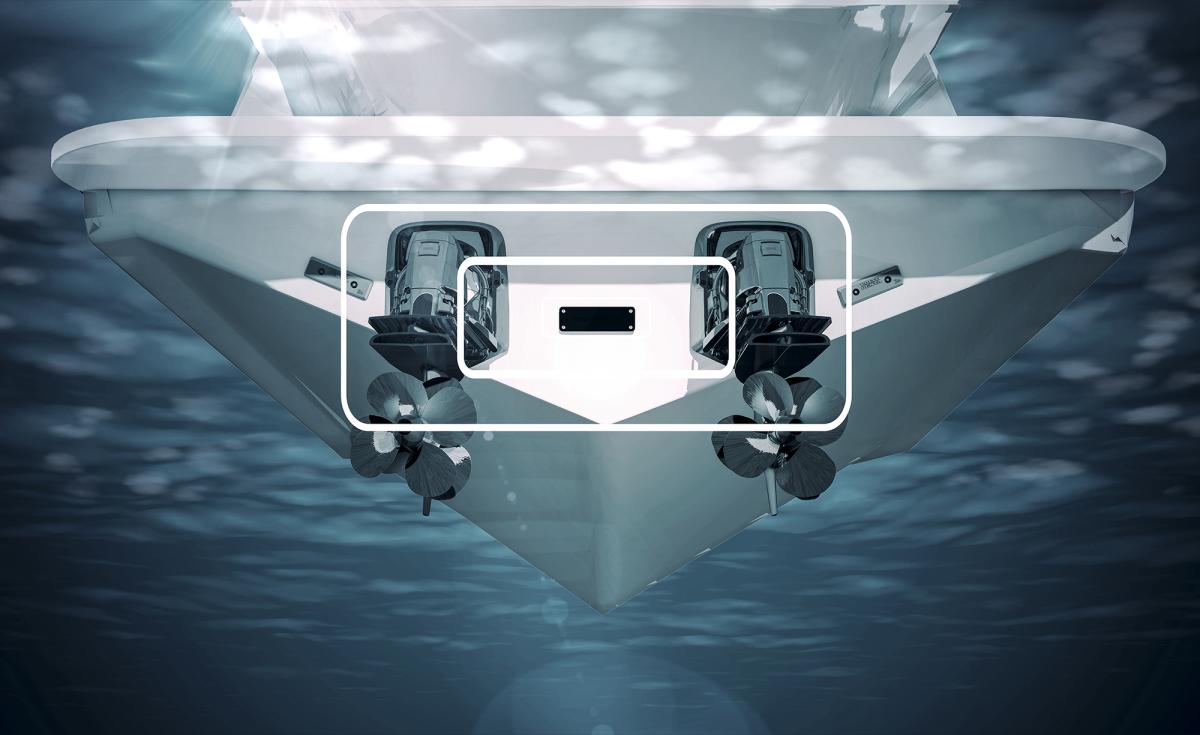
Deep V hulls, also called modified V hulls, have a distinct V shape that cuts through water aggressively. The sharper deadrise angle (the angle between the bottom and sides of the hull) creates less surface area for buoyancy. This allows deep V boats to slice through waves with less resistance for a smoother, drier ride.
The deeper V shape also deflects spray to the sides for a drier ride. The fine entry point and wider beam at the stern plane create lift for higher top speeds. Deep V hulls tend to have a longer waterline length which contributes to a smoother ride. While they don't float in shallow water as well, deep V hulls are ideal for traveling long distances and handling waves.
Common deep V boat styles include offshore fishing boats, performance boats, pontoons, and cruising boats. Offshore sport fishing boats benefit greatly from the smoother ride of a deep V when heading out into the ocean to find the big fish. High performance boats take advantage of the higher top speeds.
What is a Flat Bottom Hull?
Flat bottom, also called planar hulls, have a wide, flat shape at the bottom with more rounded sides. This maximizes buoyancy and internal space while minimizing rocking motion. The wider shape adds stability, making flat bottoms well suited for fishing platforms. However, the flat shape provides less lift at higher speeds compared to deep V hulls.
Flat bottom boats draw less water so they work well in shallow areas and rivers. They can beach easily and many flat bottoms even have a small outboard or trolling motor. The flat shape does pound more in choppy water conditions. Flat bottom hulls also tend to be less efficient at planning and have a slower top speed.[
Common flat bottom boat styles include jon boats, bass boats, bay boats, flats boats, and pontoons. The stable platform and shallow draft are ideal features for both freshwater fishing in lakes and rivers as well as inshore saltwater fishing in shallow flats. Many saltwater flats fishing boats have a semi V hybrid hull to gain some performance benefits.
Deep V Hull Advantages
- Smoother ride in choppy waters
The sharper V shape slices through waves better, deflecting spray for a drier ride. This allows you to comfortably travel further offshore and handle rougher water.
- Higher top speeds
The fine entry point and wider beam provide more lift for planing at high speeds. Deep V boats can reach higher top speeds for watersports or just thrilling rides.
- Offshore capability
A deep V hull works better for making long runs offshore to reach fishing spots, dive sites, or distant cruising destinations.
Flat Bottom Hull Advantages
- More interior space
The wider flat hull shape maximizes usable space inside the boat for fishing, storage, and moving around. Flat bottoms offer more stable fishing platforms.
- Shallow water operation
Flat bottoms only draw a few inches of water so they work well in rivers, marshes, and other shallow areas. This helps access remote fishing spots.
- More stable
The wide, flat shape provides great stability at rest for casting lines or diving. Flat bottom boats are less prone to rocking and shifting.
Key Differences
Ride Comfort
Deep V hulls pound less in waves for a more comfortable ride. Flat bottoms bounce and slap more through chop.
Speed
Deep V hulls plane faster and reach higher top speeds, while flat bottoms are slower and less efficient.
Stability
Flat bottom boats are more stable with less rocking for fishing or watersports. Deep V boats can shift more.
Draft
Flat bottom boats draw just inches of water so work well in shallow areas. Deep V hulls need deeper water.
Space
The square shape of flat bottoms allow for more interior fishing and storage space. Deep V boats carry less inside.
Choosing Between a Deep V or Flat Bottom
So which hull is better - deep V or flat bottom? There's no universally superior hull. The right choice depends on how you plan to use the boat and the water conditions where you'll be boating. Here are a few factors to help decide:
Boating Use - Deep V hulls excel at traveling long distances offshore and handling choppy waters at speed. Flat bottoms work better as stable fishing platforms and operating in shallow water.
Water Conditions - Rough open water favors a deep V hull while calm inland lakes suit a flat bottom. Deep V's slice through heavy waves better.
Speed - Deep V if you want to go fast for watersports or offshore runs. Flat bottoms if you want a slow fishing and beaching boat.
Budget - Flat bottom boats tend to be more affordable while deep V hulls have premium offshore designs.
Space - Flat bottom maximizes interior space while deep V has less roomy interiors.
Once you consider your specific needs, you can determine if the offshore benefits of a deep V or the shallow water perks of a flat bottom align better with your boating goals. While a hybrid semi-V offers some crossover benefits, understanding the core strengths of each hull shape makes choosing the right boat much easier.