

Preparing Boats and Drives for Cold Weather Layup: Offseason Winterization Best Practices
Key Takeaways
- Winterizing protects engines and components from damage when storing boats in freezing temperatures
- Flush saltwater systems, drain sea strainers, exhaust manifolds, block drain plugs and replace gear lube
- Fog the engine by spraying storage oil inside cylinders through spark plug holes to prevent corrosion
- Drain cooling, fuel, and water systems along with separators and filters and add stabilizers to remaining fuel
- Remove drain plugs on outdrives and lower units and thoroughly grease all components before covering boat
As autumn approaches and boating season winds down across northern climates, preparing engines and related components for winter hibernation becomes a critical task for vessel owners. Following proper winterization procedures before freezing conditions set in protects vital powerplant machinery against seasonal damage. This prevents costly repairs or part replacements needed to resume navigating when warmer weather returns.
While detailed winterization regimens vary across engine types and boat systems, several universal precautions apply when stabilizing marine plants for long-term inactivity. We will outline engine fogging steps, drive train winterizing protocols and general system preparation best practices as temperatures decline and boats enter cold storage.
Flushing and Draining Marine Saltwater Systems
The first order of business when decommissioning boats for winter involves thoroughly flushing saltwater from onboard piping systems prone to freeze damage from residual brine. Any trapped seawater inside cooling lines, livewell plumbing, washdown pumps or other ocean-fed hardware can rupture housing as it expands freezing.
So, flush all seawater intakes with ample freshwater until observing clear discharge. Running antifreeze liquid solutions through the system provides extra protection. Remember to also drain sea strainers of lingering saltwater inside filtering baskets where applicable before removal.
The same flushing method applies to maritime engine heat exchanger and exhaust manifold channels. Exposing these paths to freezing seawater causes rapid corrosion damage alongside freeze ruptures. Thaw any suspected icy blockages with hot water if discovered during winterization to enable complete drainage.
Fogging Engine Cylinders and Internal Components
Months of winter inactivity allow rust and corrosion to develop inside engine cylinders, bearings and unprotected internals without proper stabilization. So fogging a motor using storage oil mists prevents this offseason deterioration.
Fogging fluid sprays penetrate the engine, coating metal components in a protective lubricating film. Remove spark plugs and use an aerosol fogger attachment to inject storage oil inside each cylinder’s combustion chamber. Then turn over the engine to circulate fogging medium throughout, preventing interior rust formation.
This oil-based vapor barrier resists moisture, fuel dilution breakdown and cylinder wall pitting during dormancy. It self-cleans upon post winter restart thanks to specially formulated carriers vaporizing completely through initial engine combustion cycles.
Drive System Winterizing Essentials
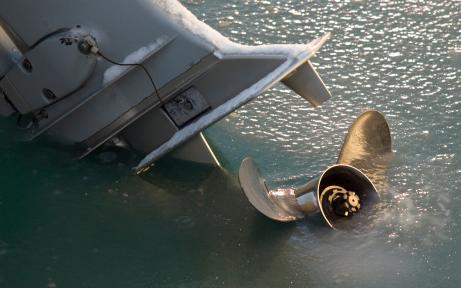
The underwater appendages propelling boats require extensive winterizing attention as well. Outdrives and sterndrives have multiple areas requiring drainage ahead of offseason storage to prevent marine growth buildup or freeze damage accumulating externally and internally.
Tilt drive gearcases fully and remove drain plugs from lower unit housings to vacate all residual water from boots enclosing the gears. Inboard/outboard and straight inboard configurations need their raw water-cooled transmission drained too using bottom petcocks or oil pan unfastening if no low plug exists.
Once drained, carefully examine units for loose fittings or compromised seals that leaked fluid indicating a potential mechanical issue needing repair before launching next season. This also allows inspecting drive system gears and bearings for wear now to address any rebuilds over the winter.
Final Drive Preparations Now change lower unit lubricant to remove contaminants able to solidify in gears over time while static. Use manufacturer-recommended winter or synthetic gear lube better suited for very low temperatures rather than standard warm weather gear oil. This lowers viscosity to circulate quicker on those first tentative test runs next season.
Paint any legacy or freshly uncovered metal around winterization drain openings using touch up enamel to prevent surface oxidation over winter months. Once drives are refilled with new gear lubricant, seal back up all drain plugs along with engine manifolds and seacocks to keep freezing moisture out of recesses.
Wrapping Up General Winterizing Precautions
A few last procedural checks round out comprehensive boat winterization processes before covering and storing quiescent boats. Add fuel stabilizers to minimize ethanol fuel separation issues degrading gasoline in tankage sitting idle many months. Stabilizers also curb gum, varnish and black sludge from congregating inside carburetors and fuel pumps when untouched.
Likewise dump any lingering water or contaminants gathered in fuel filters and water separating fuel filters during summertime engine runs to leave filtration systems fresh for spring restarts. Removing media like gauze screens or paper cartridges prevents trapped moisture from freezing around components and cracking housing.
For all auxiliary cooling systems relying on freshwater or ethylene glycol antifreeze blends, confirm closed loop fluid levels offer ample protection down to the lowest overnight temperatures expected before replenishing if necessary. Antifreeze testers help gauge winter protection margins as dropping formulation effectiveness may necessitate full system flushes.
Lastly, connect onboard battery chargers set to trickle voltage for maintaining energy storage life over long dormant stretches. Or remove battery units altogether for indoor winter recharging and temperature-controlled storage depending on boating region climate severity. They may lack the charge capacity to spin over chilled motors after prolonged subzero exposures.
With freezing conditions closing in across the northern latitudes, making certain recreational vessels rest securely on lifted storage racks or enclosed warehouse berths prevents costly winter damage from the elements when craft sit idle through the offseason.
We have outlined baseline precautions for fogging engines, draining seawater systems and lubricating drives essential for allowing boats to overwinter safely in preparation for next year’s sailing schedules. But consult your specific engine manuals for detailed winterizing instructions tailored to unique powerplant configurations.
Following the correct procedures now ensures peak performance across all propulsion and accessory systems when warmer weather invites boats back out on the water. So boaters who properly button down vessels this fall can relax over winter comfortable their engine investments lie protected. Then they’ll be prepared to set sail again next season with mechanical reliability the moment thawing conditions arrive.