

Preventing Mildew Growth on Boat Seats: Top 10 Tips
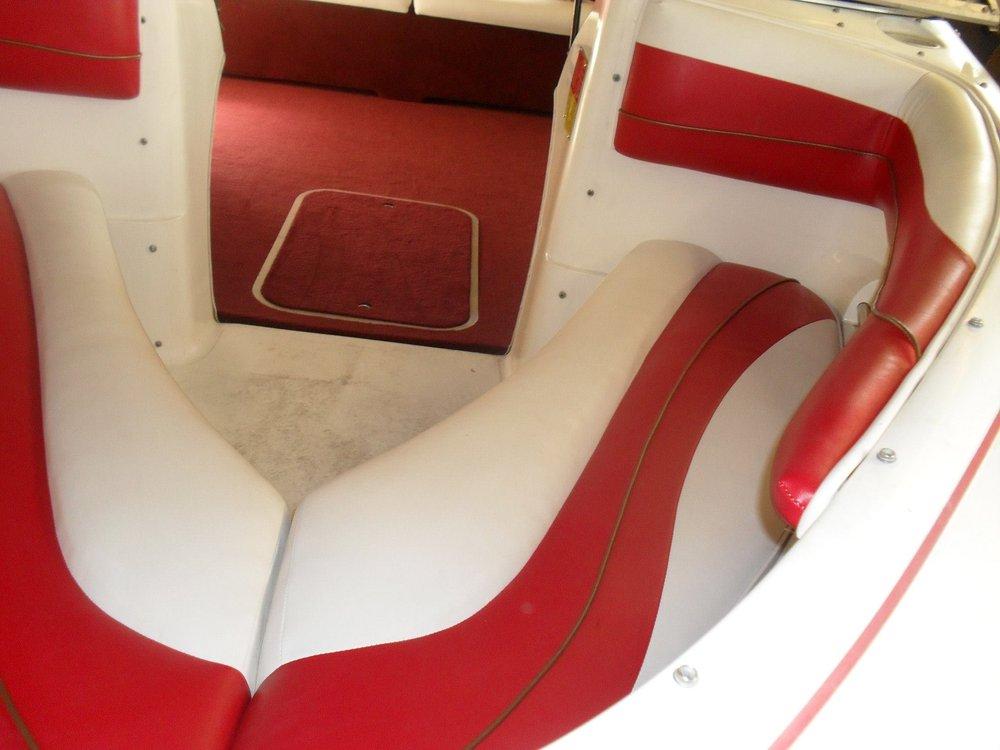
Mildew growth on boat seats is a common problem that can not only ruin the appearance of your vessel but also create an unpleasant and potentially unhealthy environment. Fortunately, with proper care and maintenance, you can keep your boat seats free from mildew and ensure they remain in top condition for years to come. This comprehensive guide will walk you through the steps to prevent mildew growth and maintain the beauty and longevity of your boat seats.
Understanding Mildew
Before diving into prevention techniques, it's essential to understand what mildew is and why it thrives in marine environments. Mildew is a type of fungus that flourishes in warm, damp conditions – precisely the kind of environment found on boats. It typically appears as a thin, powdery coating on surfaces and can range in color from white to gray or even black.
Boat seats are particularly susceptible to mildew growth due to their exposure to moisture from rain, splashing water, and humid air. The organic materials used in many boat seats, such as fabric or leather, provide an ideal food source for mildew spores.
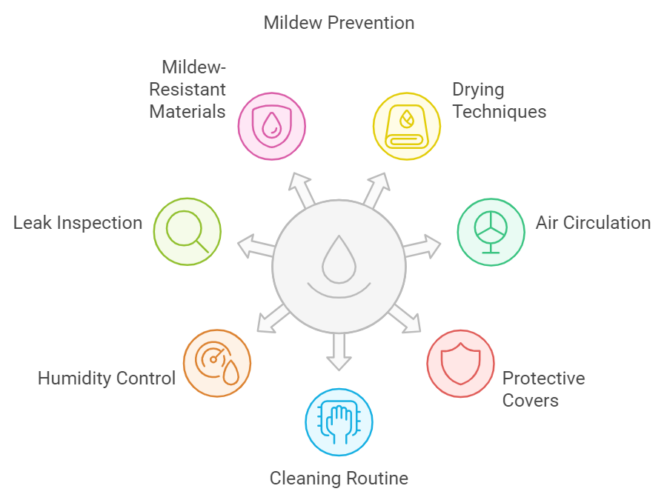
Prevention Strategies
Keep Your Boat Seats Dry
The most crucial step in preventing mildew growth is to keep your boat seats as dry as possible. After each use or rainfall:
- Use a clean, absorbent towel to thoroughly dry all seat surfaces.
- Pay special attention to seams, crevices, and buttons where water can collect.
- If possible, remove cushions and store them in a dry place when the boat is not in use.
Improve Air Circulation
Good air circulation is key to preventing moisture buildup. To enhance airflow:
- Install vents or fans in enclosed areas of your boat.
- Use seat cushions with breathable materials or mesh bottoms.
- Prop up cushions when not in use to allow air to circulate underneath.
Use Protective Covers
Invest in high-quality, waterproof covers for your boat seats. These covers should:
- Be made of breathable material to prevent condensation.
- Fit snugly to prevent water from seeping underneath.
- Be easy to remove and clean regularly.
Apply Mildew-Resistant Products
There are several products designed to create a mildew-resistant barrier on boat seats:
- Spray-on fabric protectors can help repel water and resist mildew growth.
- Some marine-grade vinyl treatments offer UV protection and mildew resistance.
- Always test products on a small, inconspicuous area first to ensure compatibility.
Regular Cleaning Routine
Establish a regular cleaning schedule to remove dirt, salt, and other contaminants that can contribute to mildew growth:
- Use a mild soap and water solution for routine cleaning.
- For vinyl seats, use a cleaner specifically designed for marine vinyl.
- Avoid harsh chemicals that can damage the seat material or strip protective coatings.
- Rinse thoroughly and dry completely after cleaning.
Control Humidity
Keeping humidity levels low in your boat can significantly reduce the risk of mildew:
- Use dehumidifiers in enclosed spaces when the boat is docked.
- Place moisture-absorbing products like silica gel packets in storage areas.
- Ensure proper ventilation throughout the boat, especially in cabins and storage compartments.
Address Leaks Promptly
Any leaks in your boat can create a constant source of moisture, promoting mildew growth. Regularly inspect your boat for leaks and address them immediately:
- Check seals around windows, hatches, and doors.
- Inspect the hull for any cracks or damage.
- Ensure all through-hull fittings are properly sealed.
Use Mildew-Resistant Materials
When replacing boat seats or cushions, opt for materials that are naturally mildew-resistant:
- Marine-grade vinyl is a popular choice for its durability and mildew resistance.
- Some synthetic fabrics are designed to resist mold and mildew growth.
- Consider antimicrobial treatments for fabric seats.
Proper Storage During Off-Season
If you store your boat during the off-season, take extra precautions to prevent mildew growth:
- Clean and dry all seats thoroughly before storage.
- Remove cushions and store them in a climate-controlled environment if possible.
- Use moisture-absorbing products in the boat during storage.
- Ensure the storage area is well-ventilated and consider using a dehumidifier.
Regular Inspections
Conduct regular inspections of your boat seats to catch any signs of mildew early:
- Look for discoloration, musty odors, or a powdery substance on surfaces.
- Check hidden areas such as under cushions and in storage compartments.
- Address any issues immediately to prevent the spread of mildew.
Preventing mildew growth on your boat seats requires a combination of proactive measures and regular maintenance. By keeping your seats dry, improving air circulation, using protective products, and maintaining a consistent cleaning routine, you can significantly reduce the risk of mildew development. Remember that prevention is always easier than dealing with an established mildew problem.
Implementing these strategies will not only keep your boat seats looking great but also contribute to a healthier, more enjoyable boating experience. With proper care, your boat seats can remain mildew-free and in excellent condition for many seasons to come. Happy boating!