

Protecting Your Boat During the Off-Season: A Winter Storage Guide
As temperatures start to drop with the arrival of winter, it’s time for boat owners to think about storing their vessels for the off-season. Properly preparing your boat for several months of non-use requires following some important storage steps. Having the right winter storage plan will help avoid damage so your boat is ready to go again next season.
Location
The first thing to think about is where to store your boat during the winter months. Indoor storage options like garages, sheds and storage facilities provide the best protection but can be expensive. Outdoor storage at a marina is more affordable but leaves your boat exposed to the elements. Evaluate costs, security, access and convenience when deciding between indoor vs outdoor winter boat storage.
Prep Work
Before storing, give the boat a thorough washdown to remove dirt, grime, saltwater residue and marine growth. Pay close attention to the hull, deck and bilge areas. Drain the cooling and freshwater systems completely. Fog the engine with lubricating oil. Address any fuel issues and use fuel stabilizers to prevent contamination. Remove electronics and other valuables from the boat.
Battery Maintenance
Batteries slowly discharge over time so should be disconnected and removed from the boat for winter storage. Clean corrosion from terminals then store batteries in a cool, dry place off the ground. A battery maintenance charger can keep batteries topped off if left installed. Either way, fully charge batteries before winter and check voltage levels periodically.
Winterize the Engine
Prevent cracked blocks, frozen coolant lines and other cold weather engine damage by properly winterizing the powerplant. Drain cooling systems, manifolds and freshwater pumps, then refill with non-toxic antifreeze. Fog the cylinders, change the lower unit gear oil, lubricate controls and flush the motor. Disconnect hoses and cap openings after draining to prevent critters from getting in.
Treat the Fuel System
Leave the fuel tanks close to full to prevent moisture accumulation and corrosion inside the gas system. Use fuel stabilizers and treatments designed for winter storage to maintain fuel integrity. Portable tanks should be drained and stored dry. Turn off electric pumps and disconnect fuel lines between tank and engine.
Protect the Hull
With the boat out of the water, the hull needs protection from the elements. Apply an antifoulant bottom paint or varnish to prevent growth and blistering during storage. Wax the gelcoat and fiberglass to shield against UV damage, water spots and oxidation over the off-season. Inspect anodes and underwater hardware for deterioration or corrosion issues.
Prevent Freezing Damage
Water left sitting in pipes, pumps and engines can expand as it freezes, causing catastrophic component damage. Use pump-out plugs, drain caps and safety valves to empty water from all internal systems. Adding RV antifreeze provides further freeze protection. Inspect hoses, clamps and seals for leaks or needed replacements before storage.
Reduce Moisture Buildup
Mold, mildew and dry rot are other storage concerns, especially for cabin cruisers. Install door vents, air circulators and dehumidifiers to promote airflow and reduce dampness below deck. Absorbents like moisture control bags also help keep bilge areas and cabins dry over winter. Regularly air out stored boats.
Keep it Clean
A thorough cleaning before winterizing is key, but boats also need occasional wipe downs during storage. This prevents buildup of dirt, dust and debris that can cause mechanical issues and staining. Inspect boats monthly and after storms for interior or exterior damage, leaks, critter intrusions or anything amiss.
Use Protective Coverings
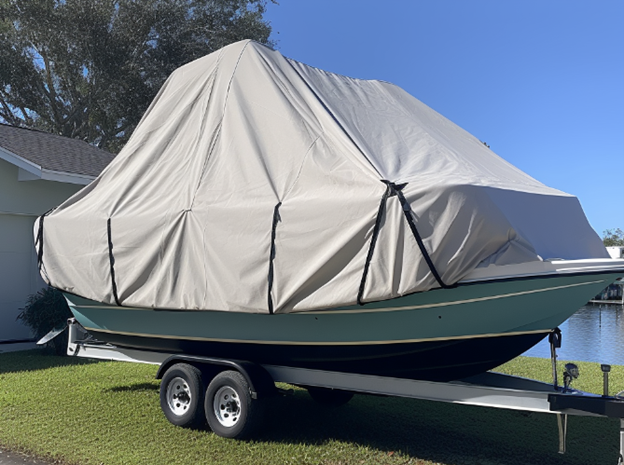
Shrink wrapping or canvas covers add another layer to shield boats from the elements during outdoor storage. Ensure covers fit snugly and are securely tied down. Use frames or poles to prevent direct contact with the boat. Verify covers don’t trap moisture. Uncover periodically to provide adequate ventilation.
Handle Cradles and Stands
Boats stored on cradles or jack stands need the load properly distributed to avoid hull, keel or rudder damage. Cradles should contour to the boat's shape. Double check stands are adjusted to the proper height and lock them in place. Place foam or carpet on contact points and readjust periodically.
Disconnect Rigging and Sails
Sails should be carefully folded or rolled away to prevent creases, tears and mildew. Remove spreaders if possible. Detach and stow mast, boom and other hardware. Make sure standing rigging is tensioned properly - not too loose or tight. Inspect the mast foot for cracks or deterioration. Store rigging where it’s protected.
Control Pests
Rodents, birds and insects can all wreak havoc on stored boats looking for warm shelter in the winter. Use traps, screens, deterrents and poison baits to keep pests away. Look for evidence of nests or infestations. Fill holes and seal potential entry points. Place bait stations and insecticides away from gelcoat.
By following these key steps for proper winter storage, boat owners can rest assured their vessel stays in prime condition over the offseason. Proper storage saves money and prevents headaches come spring commissioning time. With the right preparations, your boat will be sailing-ready once favorable conditions return again next season. Just be diligent, patient and meticulous to ward off all physical and environmental threats posed by Old Man Winter.