

Should You Buy a Cruiser? Weighing the Advantages and Drawbacks
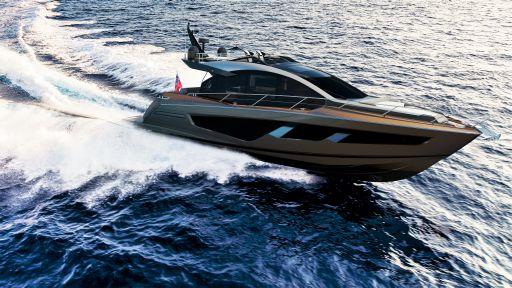
Cruisers are a popular type of recreational boat that provide comfortable accommodations for overnight or extended cruising. With sleeping quarters, a galley, head and ample deck space, cruisers allow you to explore waterways for days or weeks at a time. They come in a range of sizes, from 25 feet up to 60 feet or more.
While cruisers offer a unique way to enjoy time on the water, they aren't the right boat for everyone. When considering a cruiser, it's important to look at the pros and cons to decide if this style of boat aligns with your boating needs and preferences.
Pros of Cruisers
- Liveaboard Capability. One of the biggest advantages of cruisers is their liveaboard potential. The living accommodations allow you to cruise for extended periods of time while still enjoying essential comforts like sleeping quarters, a kitchen, bathroom and seating areas. This makes cruisers a good choice for boaters who want to explore farther destinations or spend multiple days on the water.
- More Guest Capacity. Cruisers can accommodate larger groups of family and friends than many smaller recreational powerboats. Mid-sized cruisers often sleep 4-8 people comfortably, while larger models can sleep 10 or more. This makes them ideal for entertaining or overnighting with bigger groups.
- Amenities and Comforts of Home. From fully equipped galleys to hot showers, air conditioning and home entertainment systems, cruisers allow you to enjoy many of the amenities of home while on the water. Cruisers with generator systems can even provide most of the conveniences you'd have living on land. This level of comfort exceeds what smaller day boats can offer.
- Safer and More Stable. Compared to smaller boats, cruisers are generally more seaworthy and stable in rougher waters and poor weather conditions. Their wider beams, larger sizes and heavier displacements make them safer and more stable platforms when facing challenging maritime conditions offshore. This can inspire confidence for boaters cruising longer distances.
- Customizable Layouts. Since cruisers have more interior space, they allow greater flexibility in layouts and interior designs. Floor plans can be customized to individual owners' preferences with options like different sleeping arrangements, entertainment systems and galley configurations. This lets owners create a layout ideal for their needs.
Cons of Cruisers
- More Expensive. Cruisers have higher starting prices than smaller recreational boats. Costs only increase as length and luxuries grow. With price tags from the low 100s up to several million for luxury models, they represent a greater financial investment than basic day boats. Operating costs like fuel and marina fees are also higher.
- Require More Maintenance. The larger size, more complex systems and expanded amenities of a cruiser need greater maintenance than simpler boats. This includes regular upkeep items like hull cleaning, waxing and varnishing, as well as maintenance on propulsion and electrical systems and household appliances like AC units and refrigeration. While necessary, the work is more labor intensive than with smaller boats.
- Difficult Trailering and Storage. Cruisers typically aren't trailered regularly, since lengths over 30 feet make trailering cumbersome. Paying for marina slip fees is usually required for cruisers, an added expense boat owners need to consider. Storing cruisers out of the water in winter is also more complex and expensive than smaller boats.
- Less Agile. Cruisers give up agility and nimbleness for their size and weight. They won't plane on the water like lighter boats. Handling in close quarters requires more skill and experience to maneuver. Their wider beams also limit access to some narrower waterways inaccessible to wider vessels.
- Require More Skill to Operate. Safely operating larger cruisers requires boating experience and skill that isn't necessary with smaller boats. Navigating tight marinas and channels, handling wind and waves, and managing larger propulsion systems all demand greater nautical knowledge and captaining abilities. Some formal training is advisable for new cruiser owners.
Key Factors to Consider
When weighing the pros and cons of buying a cruiser, there are several key factors to consider before making a decision:
- Intended use: Will the boat be used mostly for day trips or longer cruising? Evaluate maximum range needed and cruising plans.
- Group size: Assess the number of passengers you plan to entertain and sleep. Bigger groups require larger cruisers.
- Budget: Carefully consider the higher purchase price, fuel costs, docking fees and maintenance expenses. Create a detailed budget to understand total costs of ownership.
- Experience level: Handle a cruiser before buying one. Newer boaters should consider formal operator courses to hone their seamanship skills.
- Boat maintenance and care: Be prepared to commit to the increased upkeep requirements of a larger vessel. Develop a schedule and budget for maintenance needs.
The Verdict on Cruisers
Cruisers offer unique opportunities for luxurious, extended cruising vacations not possible with smaller recreational boats. But they also come with increased costs and maintenance requirements. Ultimately the pros and cons will differ for each individual buyer based on their budget, boating needs and how they plan to use the boat. Being honest about your intentions, skill level and finances will determine if the cruiser lifestyle is the right choice for you. For those seeking liveaboard comfort on the water, cruisers can provide rewarding, long-range cruising capabilities other boat styles simply can't match.