

Staying Put: Essential Tips for Anchoring Your Boat Securely
Key Takeaways:
- Choose an anchor weight appropriate for your boat's size. Bigger boats require heavier anchors.
- Use 3 to 5 times as much anchor line as the water's depth for standard scopes. Increase scope in storms.
- Attach a float buoy to the anchor line to mark its position.
- Lower the anchor slowly until it hits bottom, then reverse your boat to dig it in.
- Check your anchor periodically and be ready to reset if it drags.
Selecting the Right Anchor
Having the proper anchor for your vessel's size is the first step. The four most common anchor types are:
Fluke anchors - Best all-purpose anchor, sets quickly. Good holding power in most seabeds.
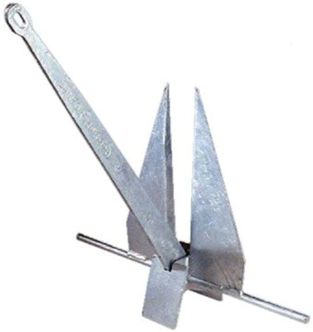
Plow anchors - Excellent holding power in soft bottoms like mud or clay. Can be difficult to retrieve.
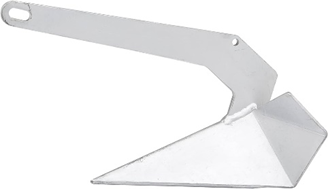
Grapnel anchors - Best for small boats in rocky areas. Lightweight and easy to store.
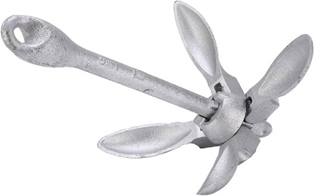
Mushroom anchors - Designed for permanent moorings. Not often used for cruising boats.
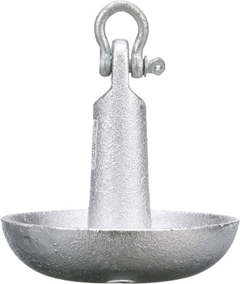
For general anchoring, a fluke anchor is recommended. Choose an anchor weight based on your boat's size:
- 10-15 lb anchor for boats up to 20 ft
- 15-25 lb anchor for boats 20-30 ft
- 30-50 lb anchor for boats 30-45 ft
- 50-75 lb anchor for boats over 45 ft
Increase anchor weight by 50% for storm conditions or waves over 2 feet. Have a spare anchor ready as a backup.
Determining Anchor Line Length
The amount of anchor line, known as the scope, is key for effective holding. The standard scope is 3 to 5 times the water's depth. For example:
- In 10 ft of water --> Use 30 to 50 ft of anchor line
- In 20 ft of water --> Use 60 to 100 ft of anchor line
Longer scope provides more holding power and absorbs shock from waves or wind. Increase scope to 7 to 10 times the depth for stormy weather or high winds.
Use heavier anchor lines like nylon for strength. Attach several feet of galvanized steel chain between the line and anchor to increase holding power.
Setting the Anchor
Follow these steps when lowering and setting your anchor:
- Stop the boat where you want to anchor. Face into the wind or current.
- Slowly lower the anchor until it hits bottom. Let out more line as the boat drifts back.
- When you reach the desired scope, put the engine in reverse to dig the anchor flukes into the seabed.
- Attach a float buoy to the anchor line to mark the anchor's position.
- Check your boat's position relative to landmarks to ensure it is not drifting. Reset the anchor if needed.
- Keep a regular watch on your boat's position, adjusting the anchor as needed.
Anchoring in Wind or Waves
In windy conditions, consider anchoring off a lee shore or protected cove to avoid swinging. Use extra scope and look for sandy or muddy bottoms for best holding. Set a bow and stern anchor to keep aligned.
In waves, allow extra scope so the boat can ride up and down without reaching the anchor. Avoid anchoring where waves can build up over time from a long fetch. Monitor for chafe where lines rub.
Tips for Anchoring in Waves and Currents
Resetting the Anchor
Check your position regularly, especially after wind shifts or tide changes. If the boat swings dangerously close to other boats or objects, or drags consistently in one direction, you'll need to reset the anchor.
Follow these steps:
- Pull up several feet of anchor line to bring the bow over the anchor.
- Motor forward while retrieving the rest of the line until free of the anchor.
- Move to a new spot and re-anchor following the normal process.
Consider switching to a heavier spare anchor if your primary anchor is not holding well. Be ready to reset quickly to avoid accidents.
Tips for Resetting an Anchor
Anchoring safely requires the right gear, preparation, and monitoring. But mastering these fundamental techniques will give you peace of mind in almost any anchoring situation. Always be ready to quickly reset your anchor if needed. Following these best practices will help ensure you and your boat stay securely in place.