

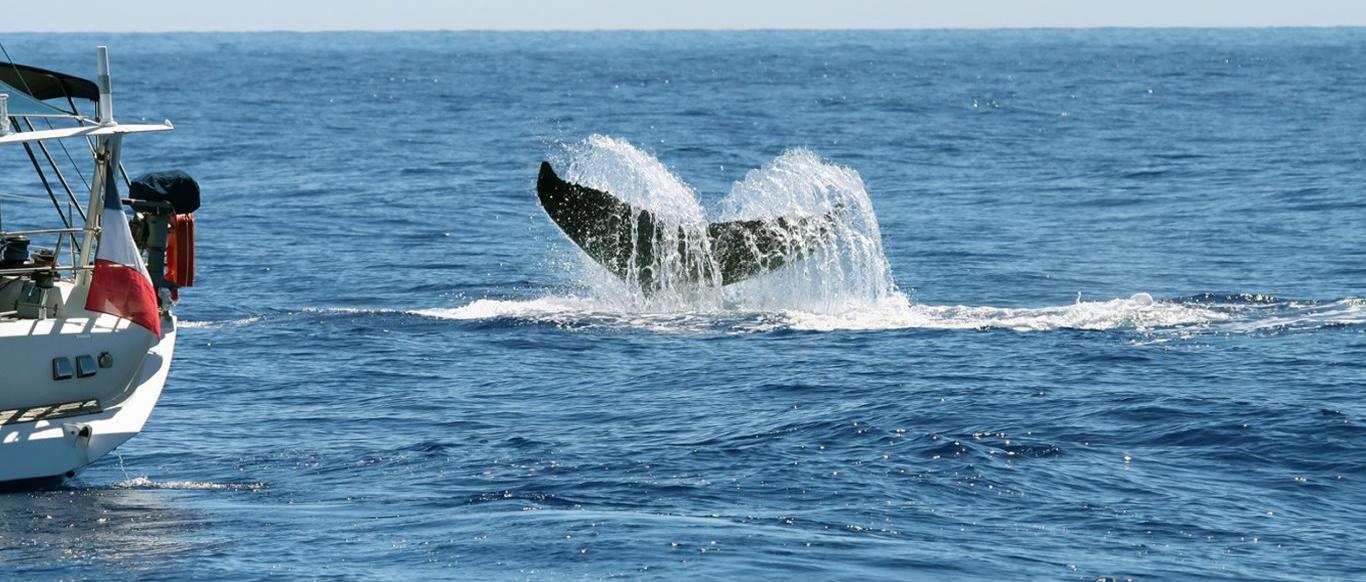
Staying Safe in Waves and Wakes: Essential Knowledge for Boaters
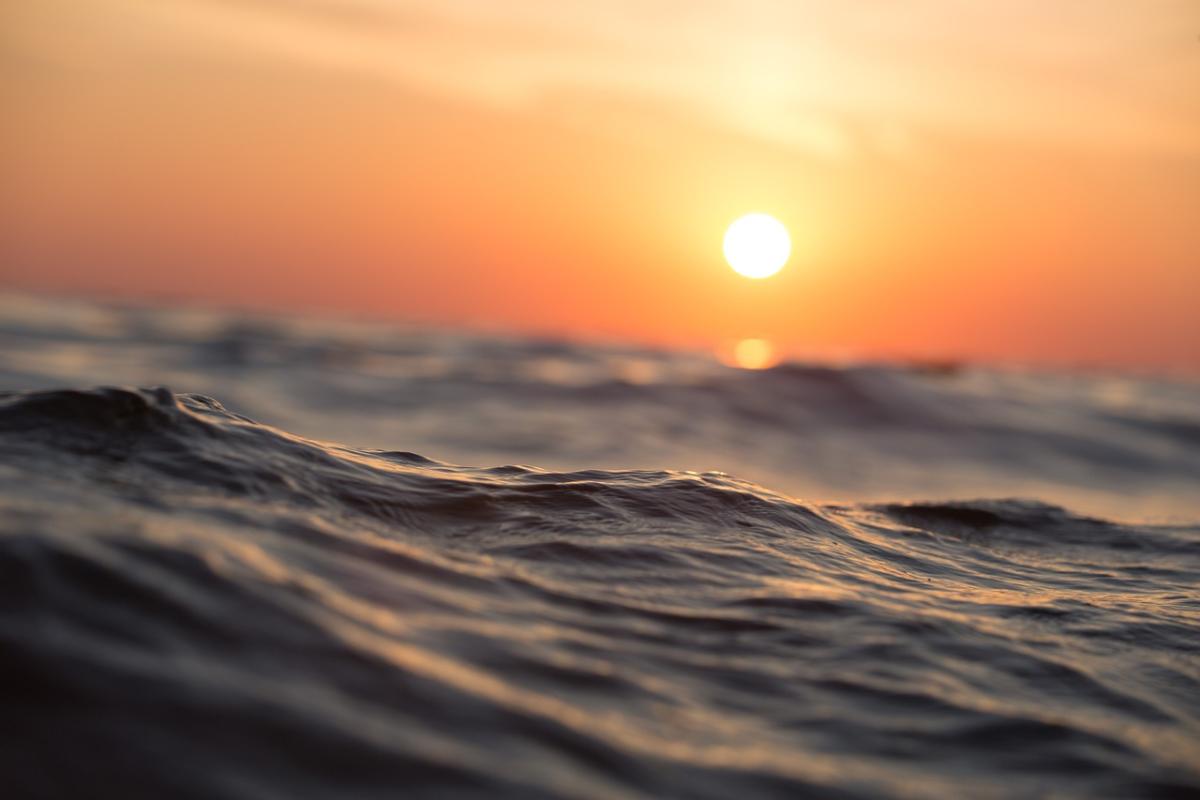
Waves and wakes are a constant presence on the water, affecting everything from small boats to massive ships. Understanding the physics behind their formation and behavior is key to predicting impacts on vessels. This article will provide an overview of:
- How waves form through transfer of energy
- Types of naturally occurring and man-made waves
- The creation and features of wakes
- Factors that influence wave size and intensity
- Effects of waves and wakes on boating
By covering these essential topics, readers will gain insight into reading water conditions to navigate waves and wakes safely and comfortably.
How Waves Form
At their most basic, waves are the propagation of energy through water. When a force or disturbance travels across the surface, energy is transferred in an up and down oscillation. Wind provides the primary natural source of wave energy. As wind blows across open water, friction transfers energy to form waves. The distance of water over which the wind blows without obstruction is called the fetch. A longer fetch allows bigger waves to form.
Wave Types
Several types of wind-driven waves occur in nature:
- Sea Waves: Waves driven by local winds. These chaotic, smaller waves have varying heights and directions.
- Swells: Waves that have traveled beyond their generating area. Swell waves are more organized and uniform. The longer they travel, the more they disperse and reduce in size.
- Breaking Waves: As waves enter shallower water, their shape changes. The crest moves faster than the trough, becoming steeper until it breaks.
- Surf Waves: Waves that break directly onshore. The crashing turbulence provides the foamy white surf.
In enclosed areas like harbors, wakes from passing boats also create waves. These oscillating waves radiate out from a vessel’s hull as it moves through the water.
Understanding Wakes
The wake created by a boat has some similar properties to other surface waves. A wake forms when the boat hull pushes water out of its way. This displaced water forms waves emanating out from the vessel. However, unlike wind-driven waves, wakes spread perpendicularly to the boat’s heading.
Wake size depends primarily on the boat’s speed. Faster movement displaces more water, generating bigger waves. A boat’s hull design also impacts the wake signature. Hulls that sit lower in the water tend to make smaller wakes. Boat size influences wake energy, with larger, heavier vessels creating more powerful wakes.
Properties of Wakes
- Transverse waves: Propagate outwards at 90 degree angles to the vessel's path.
- V-shape: Wake spreads in a V pattern trailing behind the boat.
- Turbulence: Propeller turbulence and surface eddies add chaotic components.
- Following seas: A boat's own backwash can compound the wake.
Factors Influencing Wave Size
Several environmental factors affect wave height and power:
- Wind Strength: Stronger winds whip up more wave energy.
- Fetch Distance: More open water allows larger waves to build.
- Water Depth: Waves grow taller until they become unstable and break in shallow depths.
- Currents/Tides: Opposing currents slow wave growth, while following currents compound height.
- Weather Patterns: Low-pressure storms generate bigger seas.
- Topography: Features like bays, harbors and shoals refract or block waves.
Impacts on Boating
Understanding water conditions helps boaters handle waves and wakes safely. Considerations include:
- Wave period: Closely spaced waves (short period) rock boats more violently.
- Wave direction: Beam seas rolling perpendicularly toss boats most severely.
- Boat speed: Slowing down prevents pounding and reduces slamming.
- Boat heading: Orienting at angles lessens wave impacts. Head-on crashes waves over the bow.
- Wake crossing: Cutting across a large wake can capsize smaller craft.
- Following wakes: Running parallel reduces turbulence aboard boats.
By studying waves and wakes, boaters can recognize dangerous conditions and navigate them wisely. Observing wave patterns, knowing boat limitations, and moderating speed are key to safe, enjoyable boating.