

The All-Weather Advantages of Pilothouse Boats
Key Takeaways
- Pilothouse boats provide protection from the elements with an enclosed helm and cabin area. This allows operating the boat in any weather.
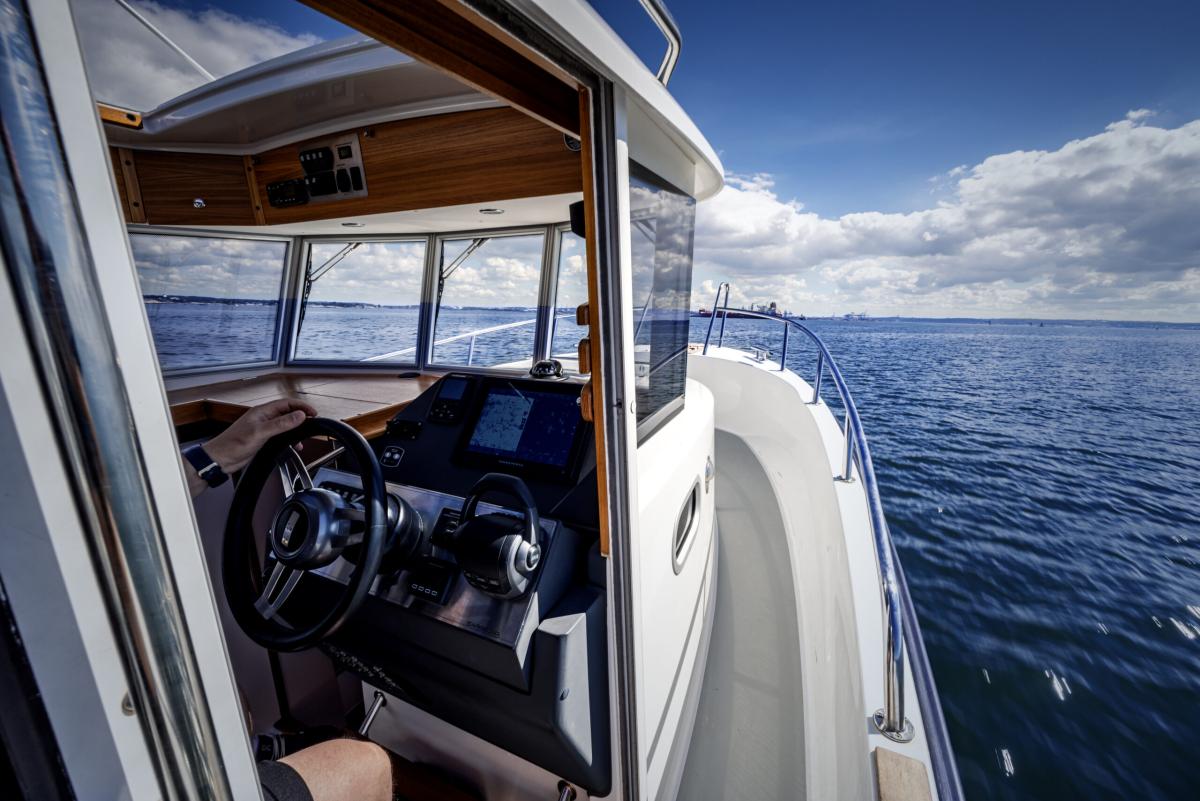
- The interior layout offers more living space with wraparound windows for good visibility. Tables and seating create a social zone.
- They offer safer operation by separating the helm from the open cockpit area. Passengers stay clear of maneuvers.
- Pilothouses optimize comfort with heat, A/C, and amenities for multi-day trips or liveaboard use. You can avoid extremes of cold, heat, and moisture.
- Large diesel engines provide extended range for long-distance passagemaking and cruising flexibility. Fuel capacity exceeds 300 gallons on many pilothouse boats.
Advantages of Pilothouse Boats
Pilothouse boats, also called wheelhouse boats, are a popular cruising boat style characterized by a covered pilothouse area housing the helm station and interior cabin space. This enclosed bridge area provides key advantages over open boats for safety, comfort, and performance in a wide range of conditions.
Protection from the Elements
The primary benefit of the pilothouse design is protection from the elements. The enclosed bridge area shields the helm, seating, living spaces, and occupants from rain, spray, wind, and other inclement weather conditions. This enables safe, comfortable boating even in foul weather.
Optimized Interior Layout
Pilothouse boats optimize the interior layout by moving the helm into the bridge enclosure. This frees up the cockpit area entirely for outdoor seating, entertaining, and storage.
The pilothouse cabin also takes advantage of otherwise unused space. Settees, tables, navigation stations, and galleys turn the cabin into a communal living area with wraparound windows for good visibility. The social layout facilitates longer trips.
Downstairs, staterooms and galleys have more breathing room without a helm consuming interior volume. Space opened up can improve tankage capacity for extended cruising range as well.
Safer Operation
Consolidating the helm and navigation equipment in the pilothouse enhances safety and control. The captain has dedicated access to all instruments in the bridge while passengers stay clear in the cockpit or cabin. This prevents crowds congregating around the wheel during maneuvers.
Visibility from inside the pilothouse provides good sightlines over the bow and surrounding areas. Pilothouse boats usually have aft opening doors or windows so the captain can keep eyes on swimmers or water sports activities off the stern while navigating from the protected helm.
Ultimate Comfort
Pilothouse boats take comfort to the next level with fully enclosed living spaces insulated from the elements. Heating and air conditioning systems create a pleasant interior climate year-round. This enables multi-day excursions in weather extremes that would deter open boats.
The protective pilothouse allows fitting more delicate amenities like premium audio/video systems that would be vulnerable to moisture and salt air in an open configuration. From fully-equipped galleys to luxurious staterooms, pilothouses become second homes ideal for extended cruising and liveaboard use.
Long-Range Capabilities
The larger size of most pilothouse boats supports installing expanded fuel and water tankage. For example, the Selene 53 ocean trawler can carry over 300 gallons of diesel for a range near 1,000 nautical miles. This gives tremendous flexibility for long offshore passages.
Onboard generator systems keep pilothouse boats energized off the grid for weeks on end. Add renewable power sources like solar panels and wind generators and pilothouse boats offer true self-sufficiency for life off the beaten path. Their long-range, liveaboard potential makes pilothouses popular for cruising into remote areas.