

The Evolution of Marine Navigation Systems: From Traditional to Tech-Advanced
Key Takeaways:
- Early navigation relied on basic techniques like celestial navigation and dead reckoning without technological assistance.
- Radio and radar systems represented major advances by allowing sensing of obstacles and position finding even in poor visibility.
- Satellite navigation (SATNAV) and GPS revolutionized pinpoint positioning accuracy and eased navigation for all mariners.
- Dry storage better protects your boat from sun damage, storms and other weather exposure.
- Consider factors like convenience, costs, haul-out needs and local climate when choosing wet vs dry storage.
- Satellite navigation (SATNAV) and GPS revolutionized pinpoint positioning accuracy and eased navigation for all mariners.
- Integrated helm systems now network onboard sensors for centralized boat monitoring and control, aided by chartplotter visuals.
- Artificial intelligence and autonomous systems represent the next wave of advanced navigation assistance.
Since ancient mariners first ventured offshore guided by the stars, the history of marine navigation has been defined by revolutionary breakthroughs in technology. Each advancement allowed seamen to traverse the oceans with greater speed
safety and precision. Now modern computing power and networked sensor systems are unleashing perhaps the most significant transformations yet in how vessels chart their course.
Early Basic Navigation Techniques
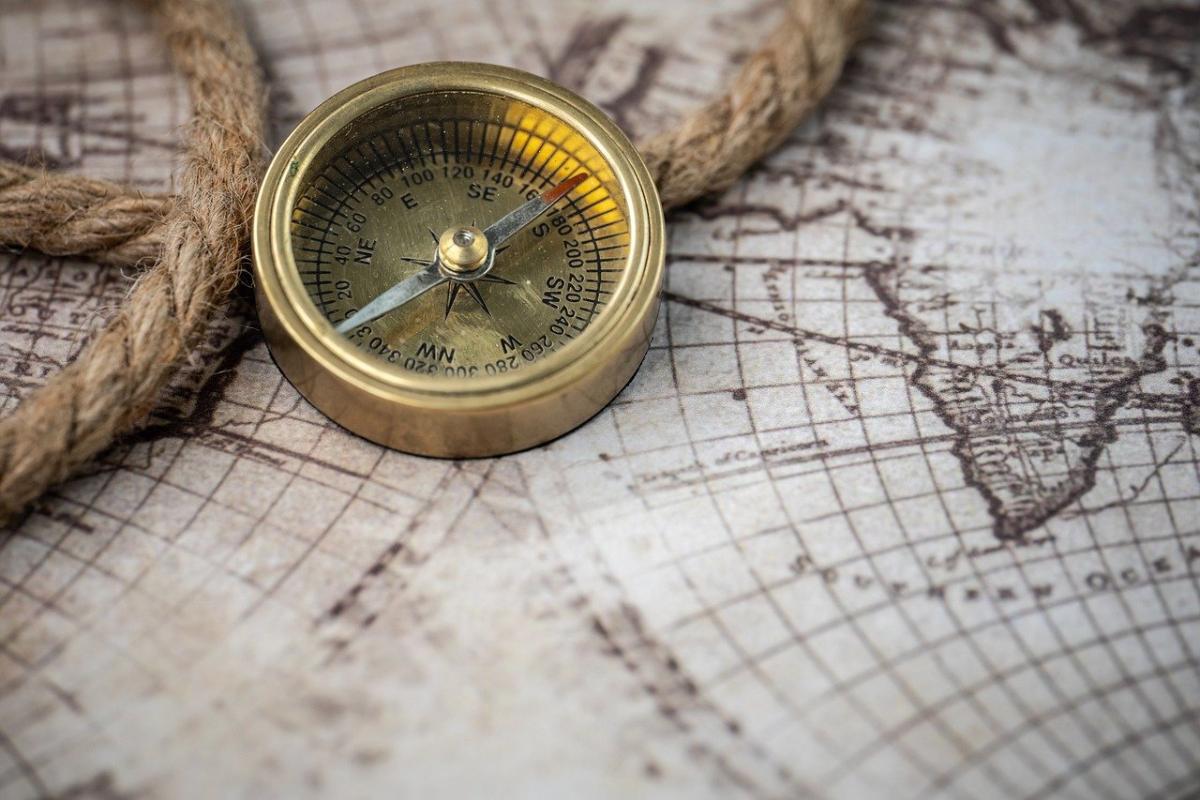
For millennia, mariners relied on rudimentary navigation techniques. By tracking the angles to celestial bodies, they could crudely calculate position. Gauging speed and heading allowed dead reckoning to estimate location when skies were overcast. But these methods provided only general guidance for offshore travels. Coastal and port navigation relied solely on visible shoreside landmarks. Without technological advances, marine navigation long depended on the extended experience of sailors rather than quantitative precision.
Advances in Radio and Radar Systems
The 20th century unleashed several groundbreaking devices that radically enhanced navigation. Handheld radio direction finders used rotating loop antennas to sense radio signals, allowing mariners to triangulate positions from shore-based beacons. Fathometers measured depth to avoided running aground. Radar systems bounced radio waves off objects to calculate distance and bearing to other vessels, buoys and obstruction even in limited visibility, allowing safer sailing in all conditions.
Revolution of Satellite Positioning
Perhaps no innovation altered navigation more than global satellite positioning systems (SATNAV) and GPS technology perfected in the 1970s and 80s. By triangulating signals from orbital satellites, a GPS receiver can calculate location anywhere on earth with accuracy better than 10 meters, unaffected by weather. Augmenting charts and compass guidance with pinpoint positioning, GPS has revolutionized marine navigation.
Integrated Helm Systems
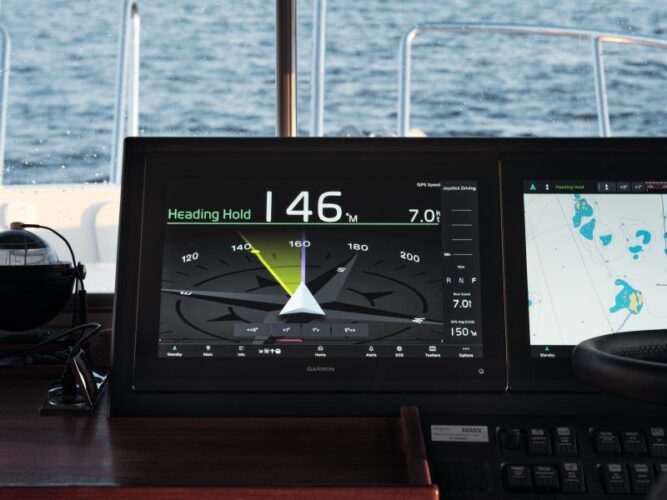
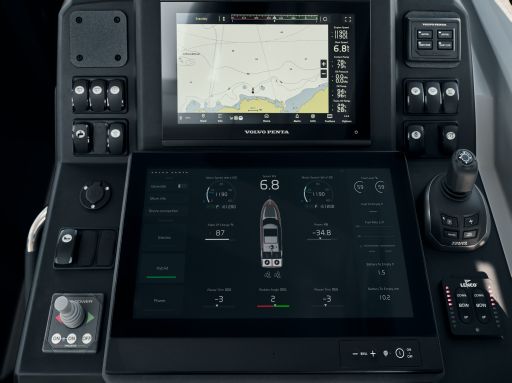
Now integrated helm technology networks onboard navigation systems for enhanced situational awareness and control. Multi-function displays consolidate key systems onto large-format chartplotter screens overlaying GPS positions onto navigational charts. Autopilots allow captains to focus less on course heading. Wireless sensors relay fathometer, radar, camera and other data. Artificial intelligence helps analyze this wealth of sensor information and identify risks. Control stations even allow remotely operating vessels.
Future Waves of Innovation
The future likely holds even more disruptive waves in marine navigation evolution. Radar, lidar and computer vision sensing promise to enable fully autonomous vessels over the coming decades. Rather than a mere navigation aid, soon your boat’s guidance system will be able to independently and optimally chart courses to destinations you specify based on real-time environmental assessment. With onboard supercomputers running advanced navigation algorithms and AI, the seafaring experience may be unrecognizable in years hence to old salts still mastering sextants.