

The Future is Now: Boating's Cutting-Edge Trends for 2025
Key Takeaways:
- Sustainability is a major focus, with electric and solar-powered boats rapidly gaining popularity
- Technology integration into boats is increasing, from virtual reality experiences to AI-powered navigation
- Adventure boating like exploring remote areas is an emerging trend
- Smaller, more affordable boats are making boating accessible to more people
- Supply chain issues are leading to long wait times for new boat orders
The Greener, Cleaner Future of Boating
As environmental consciousness rises, boaters are looking for more sustainable options that reduce emissions and environmental impact. Electric boats have been around for a few years, but 2025 is seeing an explosion in popularity and innovation in this space.
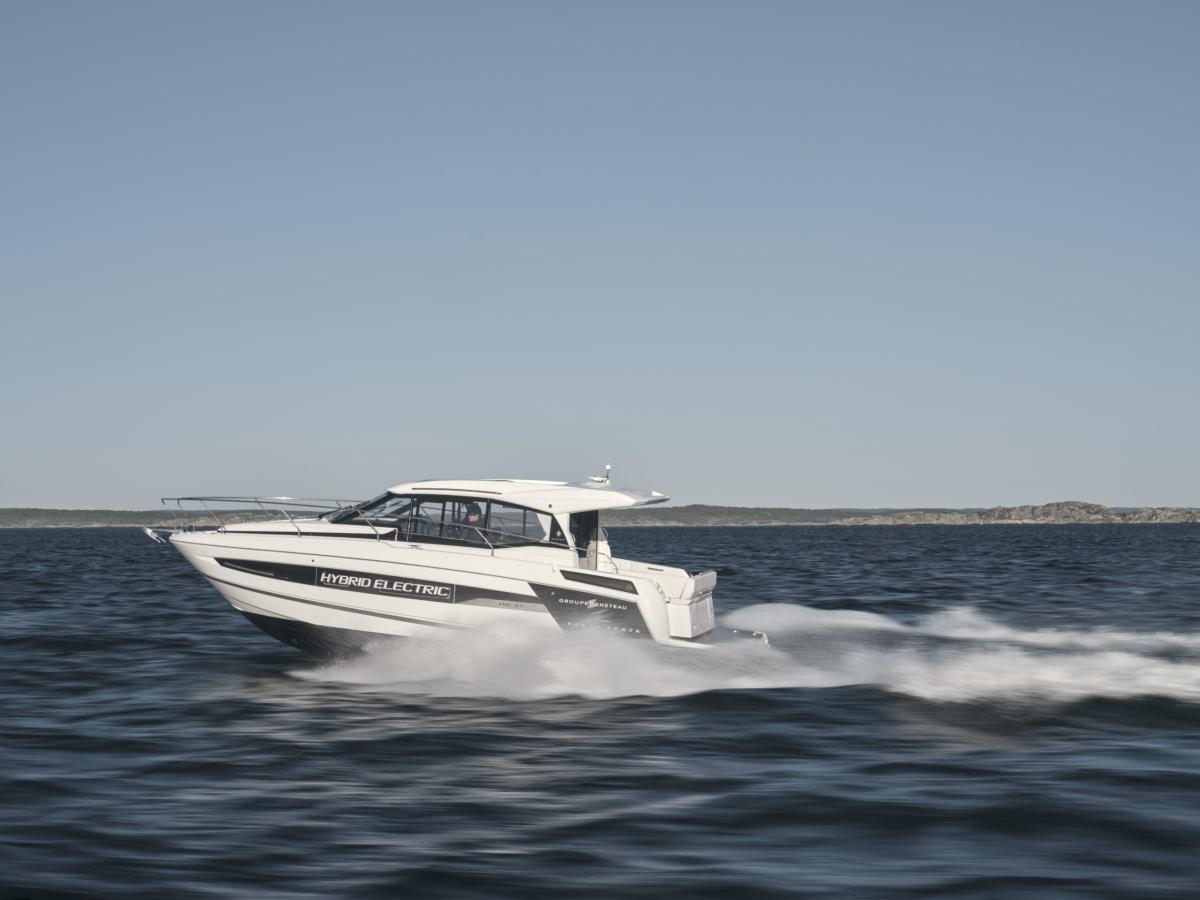
The latest electric boats can travel over 50 miles on a single charge and book reservations at remote charging stations along popular waterways. Solar power is another green option - solar panels allow boats to fully recharge during daytime cruising. Hybrid models combining electric motors with solar panels are expected to be a major product category.
Many marinas are also installing electric charging stations and providing incentives for eco-friendly boaters. This boating season, look for green communities of electric boats to start taking shape.
The Connected, High-Tech Boating Experience
Technology is transforming every aspect of the boating experience in 2025. Connectivity is a must, with high-speed Wi-Fi and mobile hotspots now standard even on smaller boats so passengers can work, stream entertainment, or video chat from the water.
But it goes far beyond basic internet access. Virtual reality (VR) and augmented reality (AR) apps let boaters enrich their experiences by visualizing undersea environments, spotting fish and wildlife, competing in virtual sailing races, or guiding vessel navigation with an AR heads-up display.
AI assistants for voice-controlled settings and maintenance monitoring are popular, as are built-in videoconferencing setups with panoramic cameras for business meetings on the go. And automated docking technology using sensor arrays promises to make stressful docking maneuvers a breeze.
The Age of Adventure Boating
While many associate boating with a casual day on the lake or lazy coasting in marinas, a new segment of boating is focused on aquatic exploration and adventure. Boaters are equipping their vessels for long-range voyages and multi-day expeditions to remote rivers, hidden coves, and uncharted waters.
Pontoon boats with onboard campers, sailboats with underwater drones for scouting, and modernized houseboats designed for extended living are just a few categories capitalizing on this trend in 2025. Even canoes and kayaks are being souped up with built-in GPS, solar charging, and storage solutions for camping gear.
Boating clubs, adventure lodges, and eco-tours focused on boating are popping up everywhere as people seek to get off the beaten path, discover new frontiers, and connect with nature.
The Downsizing Movement
On the other end of the spectrum, smaller, nimbler boats are increasingly popular in 2025 for cost-conscious boaters who don't need larger vessels. Affordable fishing boats, compact pontoons, lightweight sailboats have much lower price points and operating costs.
This makes boating more accessible to younger generations, urban dwellers without much storage space, and boaters on tighter budgets. It's making boating more of a reality for the masses instead of just an activity for the wealthy.
Boat clubs that offer affordable rentals and timeshares are also thriving, as are boat manufacturers that focus on small, modular boats designed to slip into tight spaces. For coastal cities especially, look for boating to take on a more community-oriented vibe.
Supply Chain Woes Persist
Unfortunately, one dark cloud hanging over the boating industry in 2025 is ongoing supply chain issues and production delays. The boating boom over the past few years combined with lingering shortages of materials and components mean that ordering a new boat often comes with a 6 month to year-long wait time.
Many boat builders are booked into 2026 and unable to meet current demand levels. This has pricing implications, with new boat prices inflating noticeably as customers face limited inventory on the new boat market.
The used boat market is also tighter, since more people are holding onto their existing boats longer. Extended wait times for service and repairs at overbooked shops is another headache for boaters.
Hopefully these supply chain bottlenecks will start clearing up by next year. But for now, aspiring new boat buyers need to plan far ahead and embrace patience if they want to hit the water anytime soon.