

The Future of Autonomous Boats: Will Self-Driving Boats Become the Norm?
Key Takeaways:
- Advancements in technology: Autonomous boats are becoming increasingly sophisticated due to advances in AI, sensors, and marine technology.
- Potential applications: Autonomous boats are poised to revolutionize various industries, including shipping, transportation, and environmental monitoring.
- Challenges and obstacles: Regulatory hurdles, safety concerns, and technological limitations still need to be addressed before widespread adoption.
- Environmental impact: Autonomous boats could lead to more efficient and eco-friendly maritime operations.
- Future outlook: While self-driving boats are not yet the norm, rapid advancements suggest they could become a significant part of the maritime industry in the coming years.
The concept of autonomous vehicles has captured the public’s imagination, with self-driving cars and drones leading the way in this technological revolution. However, another sector is quietly making strides toward autonomy: the maritime industry. Autonomous boats, equipped with advanced sensors, artificial intelligence (AI), and sophisticated navigation systems, are emerging as a promising technology that could transform the future of marine transportation, shipping, and environmental monitoring. But will self-driving boats become the norm, or are we still years away from widespread adoption? This article explores the current state of autonomous boats, their potential applications, challenges, and the future outlook for this groundbreaking technology.
The Rise of Autonomous Boats
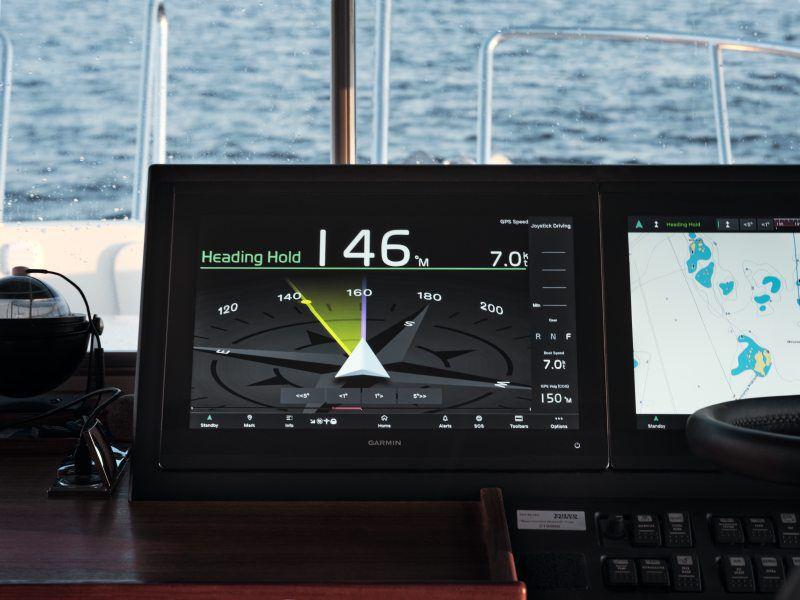
Autonomous boats, also known as unmanned surface vessels (USVs), are boats that can operate without direct human intervention. These vessels rely on a combination of sensors, cameras, radar, GPS, and AI to navigate waters, avoid obstacles, and make decisions in real time. The technology driving these boats has seen significant advancements in recent years, drawing interest from both the private and public sectors.
One of the key factors contributing to the rise of autonomous boats is the development of AI and machine learning algorithms that enable these vessels to process vast amounts of data and make complex decisions. In addition, improvements in sensor technology have made it possible for autonomous boats to operate in various environmental conditions, from calm inland waters to rough ocean seas.
Potential Applications of Autonomous Boats
The potential applications of autonomous boats are vast and varied, with the technology poised to impact several industries significantly:
- Maritime Transportation and Shipping: Autonomous boats could revolutionize the shipping industry by reducing the need for crewed vessels, leading to lower operational costs and increased efficiency. These boats could operate continuously without the need for rest, potentially shortening shipping times and reducing fuel consumption through optimized navigation routes. Additionally, autonomous cargo ships could help alleviate the global shortage of seafarers and improve safety by minimizing human error.
- Environmental Monitoring: Autonomous boats are increasingly being used for environmental monitoring and research. Equipped with sensors and sampling devices, these vessels can collect data on water quality, marine life, and pollution levels without human intervention. This application is particularly valuable for studying remote or hazardous areas, where traditional manned research missions may be risky or impractical.
- Security and Defense: The defense sector is exploring the use of autonomous boats for surveillance, patrolling, and reconnaissance missions. These vessels can be deployed to monitor coastal areas, protect critical infrastructure, and gather intelligence in contested waters. Autonomous boats can also be used in mine detection and removal operations, reducing the risk to human lives.
- Passenger Transport: While still in the experimental stage, the idea of self-driving ferries and water taxis is gaining traction. Autonomous passenger vessels could offer a safe and efficient way to transport people in urban areas with extensive waterways, such as cities with rivers or canals. These vessels could help reduce traffic congestion on roads and provide an alternative means of public transportation.
- Recreational Boating: The recreational boating industry could also benefit from autonomous technology. Imagine chartering a boat that navigates itself, allowing you to relax and enjoy the journey without worrying about steering or navigation. Autonomous yachts and pleasure boats could make boating more accessible to those without extensive maritime experience.
Challenges and Obstacles
Despite the promise of autonomous boats, several challenges must be addressed before they become the norm in the maritime industry:
- Regulatory Hurdles: One of the most significant obstacles to the widespread adoption of autonomous boats is the lack of clear regulations and standards. Maritime laws and conventions were developed with crewed vessels in mind, and adapting these frameworks to accommodate autonomous vessels is a complex task. International organizations, such as the International Maritime Organization (IMO), are working to develop guidelines, but it may take time before these regulations are fully implemented.
- Safety Concerns: Ensuring the safety of autonomous boats is paramount. While technology has advanced significantly, there are still concerns about how these vessels will handle unpredictable situations, such as sudden weather changes, mechanical failures, or interactions with other vessels. Developing fail-safe systems and robust cybersecurity measures to protect against hacking or malicious interference is crucial.
- Technological Limitations: Autonomous boats rely heavily on sensors and AI to operate, but these technologies are not infallible. For example, sensors can be affected by environmental conditions, such as fog, heavy rain, or rough seas, which may reduce their effectiveness. Additionally, AI algorithms must be trained to handle a wide range of scenarios, and there may be situations where human judgment is still superior.
- Public Acceptance: As with autonomous cars, gaining public trust in self-driving boats will be a challenge. People may be hesitant to board an unmanned vessel or trust it to navigate safely alongside human-operated boats. Building confidence in the technology will require extensive testing, transparent communication, and a gradual introduction to the market.
The Environmental Impact of Autonomous Boats
One of the potential benefits of autonomous boats is their positive environmental impact. By optimizing navigation routes and reducing fuel consumption, these vessels can lower greenhouse gas emissions and reduce the maritime industry’s carbon footprint. Additionally, autonomous boats can be designed to use alternative energy sources, such as solar or electric power, further reducing their environmental impact.
Furthermore, the ability of autonomous boats to operate continuously allows for more efficient use of resources, such as time and fuel. This efficiency can translate to cost savings and a reduction in the environmental impact of maritime operations. For example, an autonomous cargo ship can travel at an optimal speed to conserve fuel, reducing emissions compared to a human-operated ship that may not be able to maintain such precision.
The Future Outlook
While autonomous boats are not yet the norm, the future looks promising. Technological advancements are rapidly closing the gap between current capabilities and the requirements for fully autonomous operations. As the maritime industry continues to explore and invest in this technology, we can expect to see more autonomous boats entering the market in the coming years.
However, the transition to autonomous boats will likely be gradual, with hybrid models that allow for human oversight and control alongside autonomous operations becoming more common first. Fully autonomous vessels may initially be limited to specific applications, such as environmental monitoring or short-range transportation, before being adopted more widely.
The future of autonomous boats will depend on continued advancements in technology, the development of regulatory frameworks, and the ability to address safety and public acceptance concerns. If these challenges can be overcome, autonomous boats could become a significant part of the maritime landscape, offering safer, more efficient, and environmentally friendly options for transportation and shipping.
Conclusion
The future of autonomous boats holds great promise, with the potential to transform various aspects of the maritime industry. While challenges remain, the rapid pace of technological development suggests that self-driving boats could become a reality sooner than we might expect. Whether for commercial shipping, environmental monitoring, or passenger transport, autonomous boats are set to play an increasingly important role in the future of maritime operations.