

The Importance of Proper Boat Shoes
Key Takeaways:
- The right boating shoes provide traction, foot protection, and quick drying capabilities
- Boat deck shoes or water shoes with non-marking soles are ideal
- Sandals can work for casual boating but lack protection
- Never wear fully enclosed shoes that can fill with water
- Consider features like drainage, grip, toe protection, and quick-release closures
While picking out footwear may not be the first thing on your mind when planning a boating excursion, wearing the right shoes is essential for safety and performance on board. The wet and slippery environment on boat decks demands footwear with specialized traction and quick drying capabilities. Choosing improper shoes not only risks dangerous slips and falls but can also be uncomfortable and compromise your overall experience. With the right boating footwear, you'll stay stable, protected, and ready for any water activities.
The Classic Boat Deck Shoe
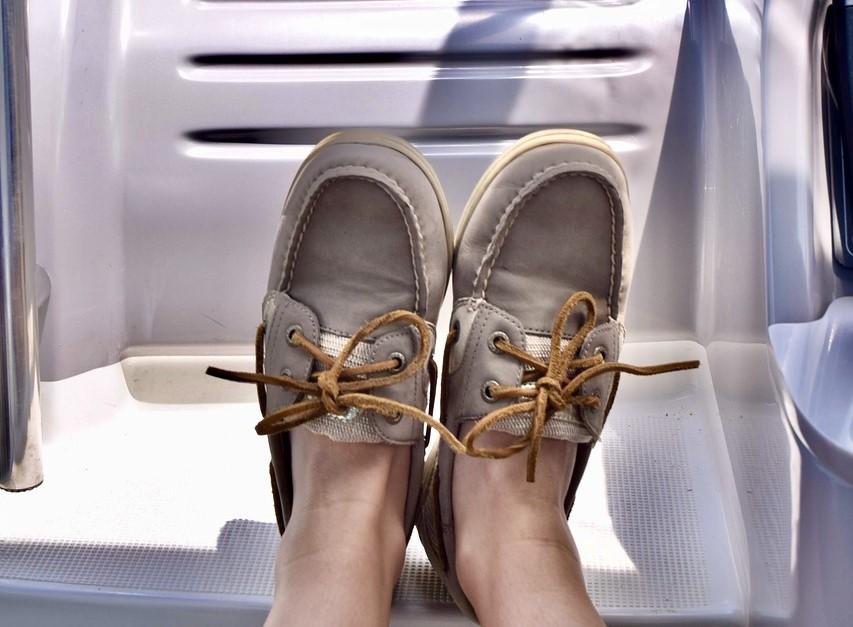
For decades, boaters have turned to traditional deck shoes or boat shoes as their trusted footwear choice on the water. These classic kicks are designed specifically for maritime conditions with key features like:
- Non-marking, siped rubber soles that grip fiberglass and vinyl surfaces
- 360-degree lacing systems that allow for a snug, secure fit
- Water-resistant leather or synthetic uppers that shed moisture
- Low-profile construction with flexibility for agility on board
While originally designed for sailors and yachters, today's deck shoes have evolved into versatile, casual options suitable for all kinds of recreational boating. Their secure yet breathable fit, weatherized materials, and uncompromising traction make them an ideal marine shoe.
Quick-Drying Water Shoes
If you prefer a more athletic, sneaker-like style, modern water shoes offer another smart option for boating footwear. Lightweight, amphibious designs from top brands are engineered specifically for wet conditions with features such as:
- Integrated drainage systems to flush out water quickly
- Rubberized, razor-siped soles for maximum wet traction
- Reinforced toe boxes for foot protection
- Quick-drying, moisture-wicking uppers like mesh or neoprene
Many water shoes even offer removable heel and tongue pieces that convert them to slip-on styles for easily kicking them off. Antimicrobial linings resist odor buildup from constant wet/dry exposure. They're perfect for active days of swimming, fishing, and transitioning between boat and shore.
The Sandal Debate
On calmer waters and pleasure cruises, sandals can provide a minimalist, breezy footwear option that some boaters prefer. They allow you to go shoe-free while still having basic foot protection and traction. However, sandals have notable drawbacks for boating:
- Open designs leave feet vulnerable to hazards like slipping on fish guts or stubbing toes
- Most sandals don't grip nearly as well as technical boat shoes on wet surfaces
- Between-the-toe construction can cause painful chafing and blisters
- Fabric or leather styles absorb water and don't dry quickly
For these reasons, sandals are generally discouraged for anything beyond casual dinghy rides or time spent dockside. If you do choose to wear sandals on a boat, look for styles with rugged, razor-siped soles and synthetic materials that resist moisture absorption.
What to Avoid on Board
In terms of what not to wear, regular street shoes, boots, or canvas sneakers are poor choices for boating. They're slippery when wet, absorb water, and won't adequately drain or dry if submerged. Prevent unpleasant scenarios where your footwear fills up with water, causing sloshing and potential falls.
Additionally, any kind of fully enclosed shoes or boots should be avoided as they allow water incursion to pool up inside. Even if slip-on styles, it can be nearly impossible to remove them in order to drain out the liquid build-up. This creates an unstable, unsafe scenario.
Other Features to Consider
When shopping for proper boating footwear, keep an eye out for these critical features that contribute to grip, protection and wearability on board:
- Siped or grooved soles to increase surface contact and evacuate water
- Protective toe boxes to guard against bruising on boat hardware
- Quick-release laces or velcro closures to easily remove/adjust fit
- 360-degree wraparound lacing for secure, locked-in stability
- Breathable, antimicrobial linings that resist odors and mildew
- Reflective detailing for added visibility in low light
With so many specialized boating and water shoes these days, it's easy to find footwear tailored to your activities and vessel type. Prioritize safety and comfort to make boating more enjoyable.