


The Importance of Regular Oil Analysis for Boats
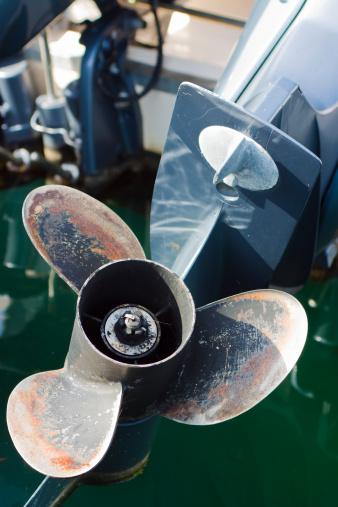
Maintaining the health and performance of a boat's engine is crucial for safe and efficient operation. One important aspect of engine maintenance is regularly checking the oil, as it can provide valuable insight into the engine's overall health. In this article, we'll discuss the benefits of oil analysis and why it should be a regular part of your boat's maintenance routine.
What is Oil Analysis?
Oil analysis is a diagnostic tool that involves analyzing a sample of used oil from an engine to determine its condition and identify any potential problems. The analysis can provide information about the engine's wear and tear, as well as identify any contaminants that may be present in the oil.
Benefits of Oil Analysis
There are several key benefits to performing regular oil analysis on your boat's engine.
Early Detection of Engine Problems
One of the most significant benefits of oil analysis is the ability to detect potential engine problems early on. By analyzing the oil, it is possible to identify signs of wear and tear, as well as contaminants that may be present in the oil. This can help you catch potential problems before they become major issues, allowing you to make repairs or replacements before they cause significant damage to your engine.
Improved Engine Performance
Regular oil analysis can also improve the performance of your boat's engine. By monitoring the oil, it is possible to identify issues that may be impacting the engine's performance, such as excessive wear or contaminants in the oil. This information can then be used to make necessary repairs or adjustments, resulting in improved performance and efficiency.
Cost Savings
Finally, performing regular oil analysis can help you save money in the long run. By catching potential problems early, you can avoid the need for costly repairs and replacements, as well as prolong the lifespan of your boat's engine.
How to Perform Oil Analysis
Performing oil analysis on your boat's engine is a relatively straightforward process. First, you'll need to collect a sample of used oil from the engine. This sample can then be sent to a laboratory for analysis. The laboratory will analyze the oil sample and provide you with a report that includes information about the engine's condition, as well as any potential problems or contaminants that may be present in the oil.
Conclusion
In conclusion, regular oil analysis is an important aspect of engine maintenance for boats. It provides valuable information about the engine's condition, allows for early detection of potential problems, improves engine performance, and saves money in the long run. Make sure to include oil analysis as part of your regular maintenance routine to ensure the health and performance of your boat's engine.