

The Stern of a Boat: An In-Depth Guide
The stern is one of the most important parts of a boat's structure and design. It refers to the back or aft end of the vessel. The stern has several crucial roles in boat function and performance. In this comprehensive guide, we will explore the key features, design variations, and purposes of the boat stern.
What is the Stern?
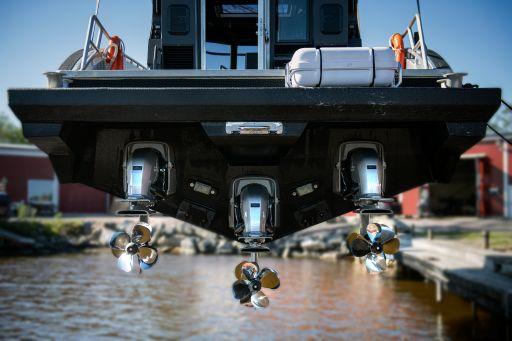
The stern is the rear end section of a boat hull. It is the opposite end from the bow (front). On a typical recreational powerboat, the stern contains the swim platform, transom, and often the engine and propulsion systems. Larger ships may have additional features like an aft cabin or fantail.
The exact point where the hull transitions from the midship to the stern is called the sternpost. This is located right before the transom and marks the start of the stern section.
Main Components of the Stern
The stern contains several main components that serve important functions:
- Transom - The flat, vertical surface at the very aft end of the hull. This provides stability and attachment points.
- Swim platform - A horizontal platform extending backwards from the transom, used for swimming, boarding, and water access.
- Starboard quarter - The right rear corner of the stern when facing forwards.
- Port quarter - The left rear corner of the stern when facing forwards.
- Rudder(s) - Steering mechanism(s) mounted on the stern.
- Propeller(s) - Rotating propulsion mechanism(s) mounted on the stern.
- Engine(s) - Inboard motor(s) providing power, often situated in the stern.
- Aft cabin - Enclosed interior cabin at the back of some larger vessels.
- Fantail - A widened, rounded overhang of the hull at the very rear of some ships.
- Cavitation plate - Metal plate on outboard motors that prevents cavitation.
The exact stern design and layout can vary greatly between boat types and models. But these are some of the main components typically found on or attached to the stern.
Types of Boat Sterns
There are several different types of boat stern designs, each with their own distinctive shapes and features. The most common varieties include:
- Square or Transom - The classic square-shaped stern with a flat transom. Common on center console fishing boats and other recreational powerboats.
- Rounded or Spoon - A stern with a rounded shape transitioning smoothly from the hull sides. Common on sailboats and motor yachts.
- Canoe - A sharp, pointed, and upswept canoe-like stern. Seen on some older passenger ships and warships.
- Cruiser - A wide, rounded U or V-shaped stern with high freeboard. Common on cruise ships and ocean liners.
- Catamaran - Twin hulls come together at a central flat platform. Allows stable access to the water.
- Pintail - Narrow, sloping stern with a small integrated swim platform. Found on some wakeboard boats.
- Double-Ended - Pointed bow and stern, symmetrical fore and aft. Allows reversing direction without turning.
- Pinky or Elliptical - An elegant elliptical stern with overhanging counters. Historically used on yachts.
The type of stern depends on the boat's purpose, speed, seakeeping needs, use of space, and visual aesthetics. Designers choose shapes that complement overall performance and hydrodynamics.
Purposes of the Stern
As one of the most multifunctional parts of a boat, the stern serves many important purposes:
- Stability - The stern's shape and weight distribution contribute to the boat's stability and balance. A wider, heavier stern enhances directional stability.
- Control - The stern contains steering and maneuvering systems like rudders, propellers, and thruster pods. This allows the boat to be controlled directionally.
- Propulsion - Engines and propulsion mechanisms mounted on the stern provide forward thrust to move the boat.
- Wake Formation - The stern influences wake size, shape, and angle. Wakeboard boats have modified sterns to maximize wake.
- Docking - Having the stern face the dock enables easier access on and off the boat during landing and mooring.
- Storage - Some sterns include an aft cabin with storage space for gear, equipment, supplies, etc. Access is convenient.
- Deck Space - The swim platforms and flat transom provide open deck space for activities, fishing, sunbathing, and equipment.
- Water Access - Swim platforms and fold-down ladders allow people to safely enter and exit the water from the stern.
- Appearance - The visual aesthetics of the stern have stylistic impact, showing off the boat's brand image and model characteristics.
Considering these key purposes early on allows boat designers to craft optimal stern shapes and features for the boat's intended functions.
Stern Design Factors and Principles
Many considerations go into stern design to achieve the right blend of form and function. Key factors and principles include:
- Stability - Wider, flatter shapes provide more stability while narrow, rounded shapes produce less resistance. Designers balance both.
- Watertight Integrity - The joint between hull and transom needs total watertightness to avoid flooding. Gaskets, seals, and fittings prevent leaks.
- Hardware Load Capacity - Stern hardware like ladders, platforms, railings, and cleats must support rated loads and forces.
- Wake Formation - More lift, convex shapes make larger wakes, while flatter, tapered shapes make smaller wakes.
- Propulsion - Optimizing stern flow improves propulsive efficiency. Steps, strakes, and trim tabs redirect flow.
- Cavitation Prevention - Curved propeller tips, grooved channels, and anti-cavitation plates prevent performance-reducing cavitation.
- Hydrodynamics - Rounded sterns with smooth water flow cause less drag at higher speeds but less stability at rest.
- Aesthetics - Visually balancing the proportions and styling between bow, midship, and stern creates appealing overall lines.
- Functionality - The stern must integrate equipment like steering, propulsion, boarding platforms, and hardware in a functional way.
By analyzing these factors and principles, naval architects design boat sterns that are hydrodynamic, stable, functional, and aesthetically pleasing.
History and Evolution of Boat Stern Design
The basic shape and configuration of boat sterns have evolved over maritime history along with changing propulsion methods, on-board technologies, and seafaring needs:
- Ancient canoes and galleys - Earliest boats had pointed, vertical sterns for paddling propulsion.
- Classic sailboats - Rounded spoon-shaped sterns appeared on sailing ships by the 1700s for stability under sail.
- Early steamships - Adopted flat transom sterns during the 1800s to mount early propellers and rudders.
- 20th century ships - Advances in propulsion led to development of the modern cruiser stern on large liners.
- Modern powerboats - High-speed planing hulls necessitated flatter, wider sterns with lift and stability.
- Modern sailboats - Fin keels and spade rudders allowed flexibility in sailboat stern design.
- Multi-hulled boats - Catamarans and trimarans enabled whole new stern configurations.
- Hydrofoils and hovercraft - New propulsion technologies freed hulls from conventional designs.
- Electric boats - Electric pods, jet drives, and other propulsors are changing future stern designs.
Boat stern forms have continuously evolved in response to available materials, technologies, understanding of hydrodynamics, and functional needs over the centuries.
Notable Stern Components and Features
In addition to the basic structure, some noteworthy stern components and features include:
- Swim platforms - Enhance water access. Fold-up platforms increase usable space when raised.
- Transom doors - Doors fitted into the transom allow entry into an aft cabin or cockpit.
- Stern thrusters - Sideways-directed propellers aid tight docking maneuvers. Controlled from the helm.
- Trim tabs - Small adjustable flaps that optimize the hull's running angle and fine-tune wake shape.
- Jackplates - Raise or lower outboard engines to customize stern draft and running angle.
- Poling platforms - Raised casting platforms for anglers to spot and pursue shallow water fish.
- Boarding ladders - Flip down or slide out ladders make it easy to climb back aboard from the water.
- Dock line cleats - Strong attachment points for dock lines at the stern corners when mooring.
- Rod holders - Built-in sockets to securely hold fishing rods when trolling from a boat's stern.
- Bait wells - Livewells built into some swim platforms keep bait fish alive and healthy.
Boat builders continue to innovate useful enhancements and options to expand the stern's capabilities.
Stern Accessories and Aftermarket Additions
Many useful accessories and aftermarket additions are available to expand and customize the stern:
- Boarding steps - Attaches to the swim platform to create stairs into the water.
- Stern anchor - A second anchor deploys from the stern for temporary mooring.
- Harpoon rack - For securing harpoons or boat hooks when fishing or docking.
- Safety ladder - Emergency ladder mounts on the transom for water reentry.
- Fish cleaning station - A fold-down table with rinse hose for cleaning catches.
- Tow bit - Heavy duty stainless steel fitting for towing vessels or watersports gear.
- Sunshade - Mounted shade adjustable into different positions.
- Dock bumpers - Protect the boat when backing up against docks.
- Privacy enclosure - A canvas enclosure for the swim platform or aft deck area.
- Cooler rack - For securely stowing a cooler.
With custom accessories, boaters can outfit their stern however they like for activities and convenience.
Stern Maintenance and Repairs
To keep the stern area functioning properly and looking its best, regular maintenance and care are required:
- Inspect the seals around the transom and all through-hull fittings for leaks and re-bed or replace as needed.
- Check for cracks in the gelcoat or flaking paint and address any issues immediately to avoid worse damage.
- Clean and protect hardware like ladders, rails, and cleats from corrosion. Replace worn parts.
- Make sure steering and propulsion systems are tuned up and serviced at regular intervals.
- Keep the swim platform clean and non-slip. Replace grip tape if it becomes worn.
- Lubricate any moving parts like ladder hinges, transom doors, or trim tabs.
- Remove marine growth like barnacles or algae to maintain flow and appearance.
- Check wiring running to any stern lights or accessories and repair if needed.
With regular stern inspections and maintenance, repairs can be made promptly to keep this vital boat area in optimal shape.
Key Safety Tips for the Stern
When using the stern of your boat, keeping safety in mind is essential:
- Only swim when the engines are off to avoid dangerous propeller strikes.
- Deploy a boarding ladder whenever people are in the water near the stern.
- Keep the deck orderly and free of gear that could fall overboard.
- Keep the swim platform and boarding ladder surfaces clean and non-slip.
- Avoid overloading the swim platform to prevent capsizing.
- Carefully monitor young children near the stern when swimming or boarding.
- Don't jump off raised poling or casting platforms when a boat is moving.
- Make sure lifesaving equipment like life jackets, rings, and hooks are readily accessible.
- Give the stern and propulsion systems time to fully power down before approaching.
By making safety a priority, the risks of using the stern can be significantly reduced.
The stern is an integral, multi-purpose area that defines much of a boat's character and functionality. With this overview of its design, components, evolution, and use, you now have a comprehensive understanding of the roles and importance of the boat stern. Using these insights will assist boaters, designers, and boating enthusiasts in appreciating this vital area.
Frequently Asked Questions About the Boat Stern
Q: What is transom height and why does it matter?
A: Transom height is the vertical distance from the bottom of the hull to the top of the transom. It affects the boat's stability, drag, and running angle. Proper transom height balances performance based on speed, weight, and purpose.
Q: How are outboard motors mounted onto a boat transom?
A: Outboards are either clamped onto a transom bracket or bolted directly to reinforcement plates bonded into the transom. Four bolts through the transom is the most secure mounting method.
Q: What is the purpose of the cavitation plate on outboard motors?
A: The cavitation plate helps prevent propeller cavitation, which reduces performance. It ensures the prop stays fully submerged and undisturbed by surface turbulence.
Q: Why do some swim platforms lift up or lower down?
A: Some platforms are hinged or hydraulic so they can be raised out of the water when underway. This reduces drag and hazards like fishing line fouling in the prop.
Q: What are the main parts of the stern on a sailboat?
A: The three main parts are the transom, rudder, and aft end of the keel. Many also have swim platforms and boarding ladders attached to the transom.