

Understanding Navigation Buoys and Channel Markers
For boaters, being able to properly identify and understand navigation buoys and channel markers is crucial for safe travel on the water. These aids to navigation help mark channels, denote hazards and obstructions, and allow mariners to determine their position. With a standardized system across the United States, recognizing the different colors, shapes, numbers, and light characteristics of buoys and markers will help you navigate confidently.
Channel Markers vs. Buoys
It's important to first understand the difference between channel markers and buoys. Channel markers are permanent objects firmly planted in the ground or on structures, while buoys float on the water's surface and are anchored to the bottom. Both serve as aids to navigation, but markers are fixed while buoys can drift slightly depending on currents, tides, and weather.
Channel Marker Colors: Understanding Red and Green Markers
The lateral system uses red and green markers and buoys to indicate the sides of navigable channels. Red markers and buoys mark the starboard/right side of the channel when returning from open waters. Green markers and buoys indicate the port/left side when headed back from open waters.
Red Markers: You should keep red markers on your starboard/right side when traveling from open waters back towards the harbor or head of navigation. Red markers are triangular in shape.
Green Markers: Keep green markers to your port/left side when headed from the open waters back into the channel. Green markers are square in shape.
The numbers on these red and green markers indicate the mileage on that channel from a starting point, with the numbers increasing towards the head of navigation.
Navigation Buoys
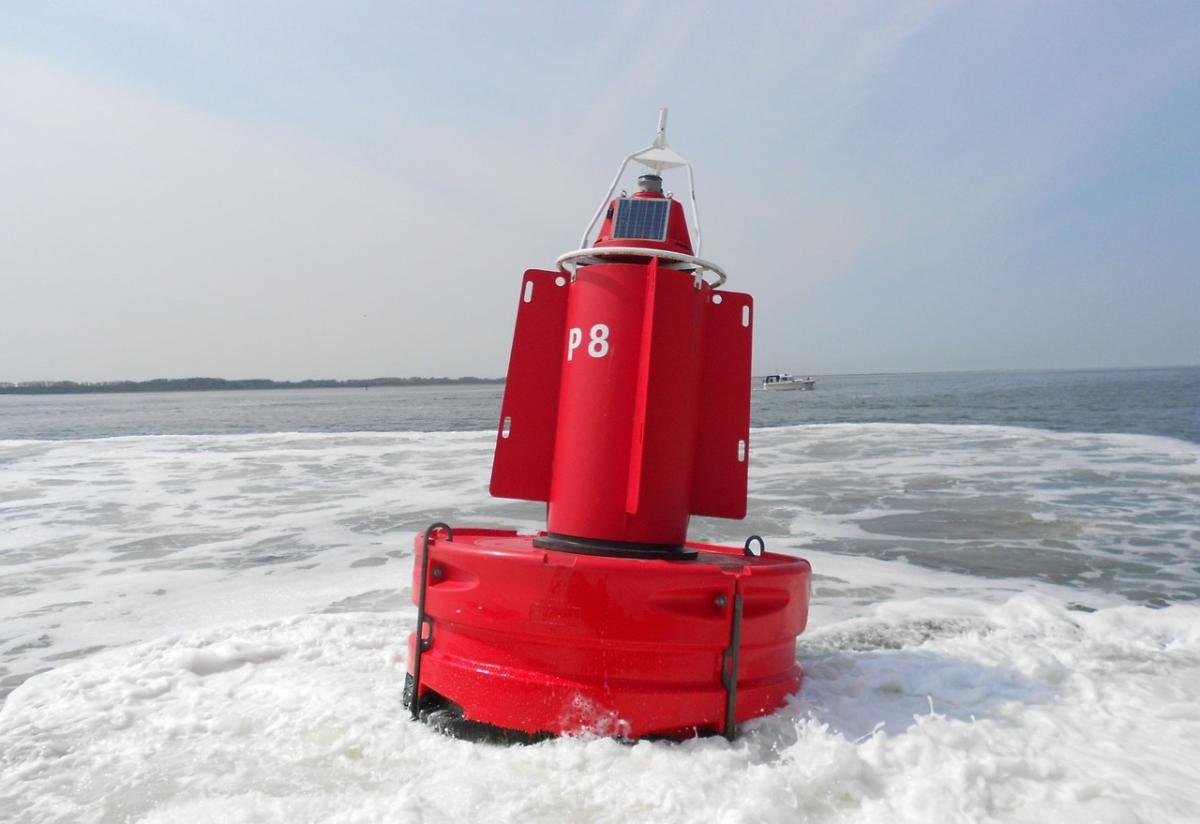
In the lateral system, red buoys are shaped like cones or cylinders and indicate the starboard/right side of the channel. Green buoys are shaped like cylinders or cans and mark the port/left side. These may also display numbered odd/red or even/green markings counting up towards the head of navigation.
Red and green horizontal bands may also be found on these lateral buoys. Topmarks of red spheres, red/green bands, and lights help identify the colors at night. Lights on green buoys flash green, while those on red buoys flash red.
How to Read Channel Markers & Aids to Navigation
By understanding the colors, shapes, numbers, and light signals, you can read channel markers and navigation buoys to determine your location and the direction of travel:
Red Triangular Markers and Red Cone/Cylinder Buoys: Always keep these on your starboard/right side when traveling from open waters towards the harbor end of the channel. The numbers will increase as you proceed.
Green Square Markers and Green Cylinder/Can Buoys: Keep these to your port/left side when coming from open waters heading into the channel. The green marker/buoy numbers will get higher as you go further into the channel.
Lights, Topmarks, and Bands: Lights of red/green flashes, corresponding topmarks on the tops of markers/buoys, and horizontal red/green bands all reinforce the colors and sides of the navigation aids.
The lateral system allows boaters to visually see the shape and color of channel markers and buoys and know which side to travel based on their location relative to the harbor entrance or head of navigation.
There are also safe water marks showing unobstructed areas, isolated danger marks indicating potential hazards, and specialized markers/buoys for intracoastal waterways, offshore areas, and other designated zones. Always cross-reference the latest charts, consider river current flow direction, and remain cautious of any unclear marking situations.
By understanding this standardized navigational system of buoys, markers, colors, lights, and topmarks, boaters can safely determine their location and direction of travel to stay within marked channels and avoid running aground. Reading these essential aids to navigation is critical for safe boating.