

Understanding Tides and Currents: How They Affect Your Boating Experience
Tides and currents are two of the most fundamental forces in the marine environment, and understanding them is crucial for anyone who spends time on the water. Whether you're navigating coastal waters, fishing, or simply enjoying a day out on your boat, tides and currents can significantly impact your experience. This article delves into the science behind tides and currents, how they affect boating, and practical tips for navigating these powerful natural forces.
What Are Tides and Currents?
Tides are the periodic rise and fall of sea levels caused by the gravitational forces exerted by the moon and the sun, along with the rotation of the Earth. Tides typically follow a predictable pattern, with most coastal areas experiencing two high tides and two low tides each day, known as semidiurnal tides. Some regions may experience one high tide and one low tide per day, known as diurnal tides, or a mixed tide pattern with varying high and low tides.
Currents, on the other hand, refer to the horizontal movement of water, primarily driven by the wind, temperature differences, salinity, and the Earth's rotation (the Coriolis effect). Currents can also be influenced by tides, creating tidal currents that change direction and strength with the rising and falling of the tide.
How Tides and Currents Affect Boating
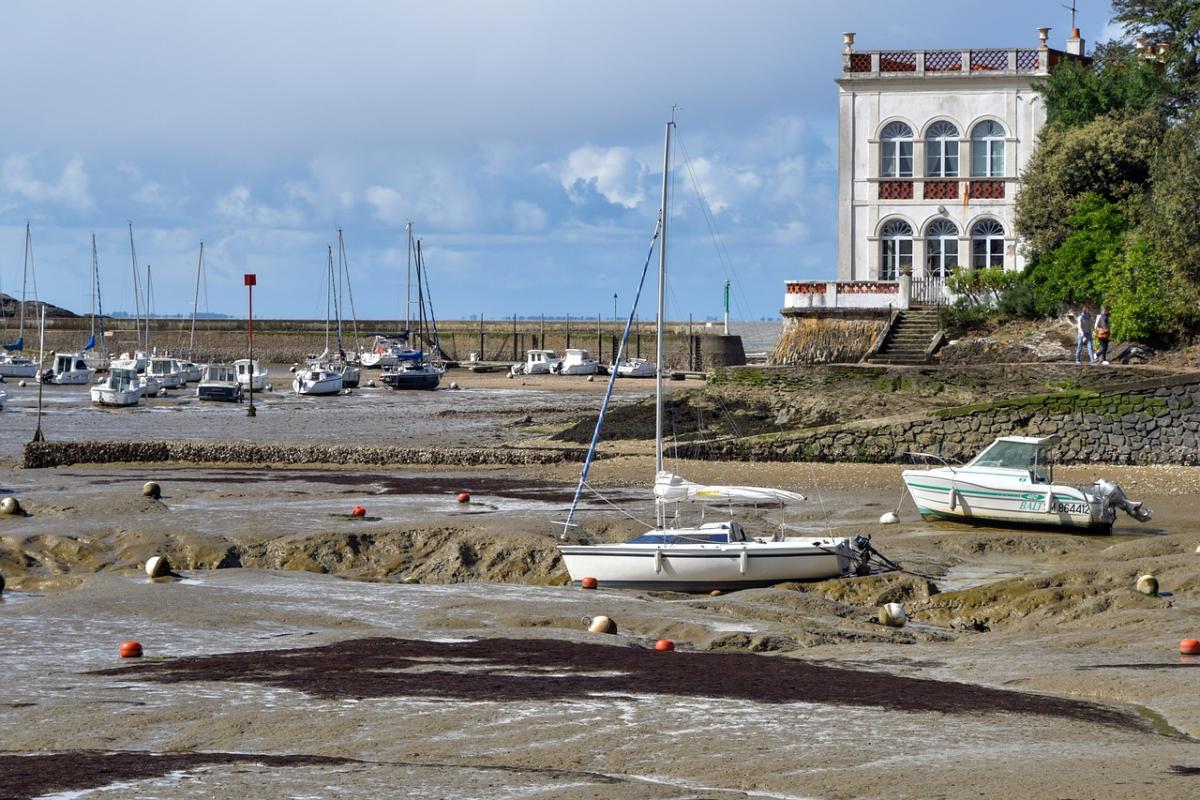
- Navigation and Safety: Tides and currents can have a profound impact on navigation. For instance, a strong current against your boat's course can slow you down, increase fuel consumption, and make steering more challenging. Conversely, navigating with a favorable current can save time and fuel. In shallow waters, tides can determine whether certain areas are accessible. Low tide might expose sandbars or rocks that are hidden at high tide, creating potential hazards. Additionally, strong tidal currents in narrow channels or around headlands can make navigation tricky, requiring careful planning and timing.
- Docking and Anchoring: When docking or anchoring, understanding the tidal range—the difference between high tide and low tide—is essential. If you dock your boat at high tide, you may find it grounded when the tide goes out, causing damage or making it difficult to leave. Similarly, when anchoring, the tidal range can affect how much anchor line (rode) you need to let out. Too little rode at high tide could result in dragging anchor as the tide falls, while too much could make it hard to retrieve.
- Fishing: Tides and currents also play a significant role in fishing. Many fish species are more active during certain tidal phases, and understanding these patterns can increase your chances of a successful catch. For example, predatory fish often feed more aggressively during tidal changes when currents stir up prey.
- Impact on Fuel Efficiency: As mentioned earlier, navigating with the tide and current can greatly improve fuel efficiency. Planning your trip to take advantage of favorable tides and currents can reduce the amount of power needed to maintain speed, thus saving fuel and reducing costs. On the flip side, fighting against strong currents or tides can lead to increased fuel consumption, as your engine will need to work harder to maintain speed.
- Weather and Tidal Influence: While tides are predictable, weather conditions can affect their behavior. Strong winds, particularly those blowing onshore, can cause higher than normal tides, known as storm surges, which can lead to coastal flooding and rough sea conditions. Understanding how weather interacts with tides and currents is crucial for safe boating, especially in areas prone to storms or high winds.
Tools and Resources for Navigating Tides and Currents
Fortunately, several tools and resources are available to help boaters navigate tides and currents effectively:
- Tide Charts and Tables: Tide charts and tables provide information on the predicted times and heights of tides for specific locations. These are essential tools for planning your trip, especially in areas where tidal ranges are significant. They can be found online, in boating apps, or in printed form at marinas.
- Current Maps: Current maps or atlases show the direction and strength of currents at different times. These are particularly useful for planning routes in areas with strong tidal currents, such as straits or estuaries.
- Marine GPS and Chartplotters: Modern marine GPS units and chartplotters often include tide and current information, allowing you to see real-time data on your route. These devices can help you adjust your course to take advantage of favorable currents or avoid potential hazards.
- Apps and Online Resources: Numerous apps and websites provide up-to-date information on tides, currents, and weather conditions. Some popular options include Navionics, PredictWind, and Windy. These tools allow you to plan your trip with detailed, real-time data, ensuring a safer and more efficient boating experience.
Practical Tips for Navigating Tides and Currents
- Plan Ahead: Before setting out, check the tide charts and current maps for your route. Plan your departure time to coincide with favorable tides and currents whenever possible. This can save you time, fuel, and frustration.
- Be Aware of Local Conditions: Some areas are known for particularly strong tides or currents, such as the Pacific Northwest's tidal rapids or the Gulf Stream off the U.S. East Coast. Familiarize yourself with the local conditions in your boating area and adjust your plans accordingly.
- Monitor Weather Reports: Keep an eye on weather forecasts, especially if you're boating in coastal areas where storm surges can occur. Understanding how weather conditions can affect tides and currents will help you avoid dangerous situations.
- Use Visual Cues: When navigating near shorelines, use visual cues such as buoys, markers, and the shoreline itself to gauge the strength and direction of currents. This can help you make real-time adjustments to your course.
- Practice Safe Docking and Anchoring: When docking or anchoring, account for the tidal range and current direction. Give yourself plenty of room to maneuver, and be prepared for changing conditions as the tide shifts.
Conclusion
Tides and currents are powerful natural forces that can significantly impact your boating experience. By understanding how they work and using the right tools and resources, you can navigate these forces safely and efficiently. Whether you're a seasoned mariner or a weekend boater, taking the time to learn about tides and currents will enhance your time on the water and help you avoid potential pitfalls.