

Unraveling the Intricacies of Boating Fuel Systems: A Comprehensive Guide
For every boating enthusiast, understanding the intricate workings of boating fuel systems is an absolute must. This complete guide provides an in-depth examination of these fundamental systems, highlighting key components, proper maintenance strategies, common issues and solutions, and much more.
Boating Fuel Systems: The Heart of Your Vessel
Understanding the fundamentals of a boat's fuel system is a crucial first step towards a more informed, safer, and smoother boating experience. But what exactly does a boating fuel system entail?
Essentials of the Fuel System
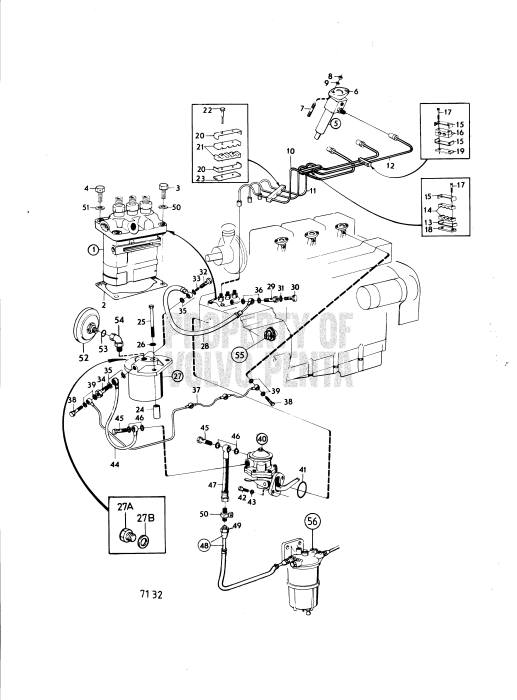
Just as the human heart pumps blood to every organ, the fuel system is the heart of a boat, pumping vital energy to its engine. It includes various interconnected components such as the fuel tank, fuel lines, fuel filter, and the fuel pump. Each part plays a distinct role, ensuring efficient fuel flow from the tank to the engine.
The Nitty-Gritty of the Fuel Tank
The fuel tank, often constructed from plastic, aluminum, or stainless steel, stores the boat's fuel. Its capacity varies based on boat size, intended use, and fuel type. It’s a good practice to frequently check the tank for leaks, damage, and fuel quality to maintain optimal performance.
Fuel Lines and Connectors: The Lifelines of the System
Fuel lines connect the tank to the engine, guiding the fuel through the system. Typically made of reinforced rubber, these lines must be durable and resistant to the corrosive effects of fuel. Regular inspections for wear, kinks, or breaks are crucial for safe operation.
Fuel Filters and Pumps: The Unsung Heroes
Fuel filters play a vital role in removing contaminants that could potentially harm the engine. Routine replacements ensure a clean fuel supply. The fuel pump, on the other hand, physically moves the fuel from the tank to the engine. Its efficient operation is crucial for the engine's smooth running.
Maintaining Your Boating Fuel System
Proper maintenance is key to prolonging your fuel system's life and overall performance. Here are a few pro tips.
Regular Inspections
An ounce of prevention is worth a pound of cure. Regular inspections can help identify potential issues before they become costly repairs. Pay special attention to visible fuel lines, connections, and the tank for any signs of wear, damage, or leaks.
Routine Filter Changes
Just as you wouldn't want to drink water through a dirty filter, your boat doesn't appreciate dirty fuel. Changing your fuel filter routinely helps prevent engine damage and maintains optimal fuel flow.
Using the Right Fuel
Not all fuels are created equal. Make sure to use the correct type of fuel recommended by your boat's manufacturer. Using the wrong fuel can lead to poor performance and potentially damage your engine.
Winterization
Boats often face extended periods of inactivity, especially during winter. This downtime can lead to fuel degradation, causing issues when you're ready to hit the water again. Proper winterization, including adding a fuel stabilizer, can help prevent this.
Common Issues and Troubleshooting in Boating Fuel Systems
While we all dream of smooth sailing, sometimes things go awry. Let's tackle a few common issues and their solutions.
Clogged Fuel Lines or Filter
One of the most common issues is a clogged fuel line or filter, typically caused by debris or water in the fuel. If you're experiencing decreased performance or your engine isn't starting, this could be the culprit. A simple filter change or line cleaning can often solve the problem.
Leaking Fuel System
Leaks in your fuel system not only waste fuel but also pose a significant safety risk. If you smell fuel or see visible signs of leakage, it's essential to address the issue promptly. Replace any damaged components and ensure all connections are secure.
Faulty Fuel Pump
A faulty fuel pump can lead to a variety of issues, from difficulty starting the engine to sudden performance drops. If you suspect a pump issue, consider seeking professional help. Pump repairs can be complex and require specialized knowledge.
Upgrading Your Boating Fuel System
Looking to boost your boat's performance or efficiency? Consider these upgrades.
High-Capacity Fuel Tank
A larger fuel tank can extend your boat's range, reducing the frequency of refueling stops during long journeys.
High-Performance Fuel Pump
A high-performance fuel pump can enhance your boat's engine performance, providing more consistent fuel flow and pressure.
Advanced Fuel Filters
Advanced fuel filters offer better contaminant removal, ensuring cleaner fuel for your engine and potentially extending its life.
FAQs About Boating Fuel Systems
Let's tackle some of the most frequently asked questions about boating fuel systems.
Q: How often should I change my boat's fuel filter?
A: Ideally, a boat's fuel filter should be changed at least once a year or every 100 hours of operation, whichever comes first. However, it's always a good idea to check your manufacturer's guidelines.
Q: Can I use car fuel in my boat?
A: While technically possible, using car fuel in your boat can lead to reduced performance and potential engine damage. Always use the fuel type recommended by your boat's manufacturer.
Q: How do I winterize my boat's fuel system?
A: Winterizing your fuel system involves filling the tank to 75-95%, adding a fuel stabilizer, and running the engine to distribute the stabilized fuel throughout the system.
Q: Can I fix a leaking fuel line myself?
A: If you're mechanically inclined, you can often replace a leaking fuel line yourself. However, for complex issues or if you're uncertain, it's best to consult a professional.
Q: How do I know if my fuel pump is faulty?
A: Symptoms of a faulty fuel pump can include difficulty starting the engine, sudden drops in speed while operating, or an overheating engine.
Q: What's the lifespan of a boat's fuel system?
A: With proper maintenance, a boat's fuel system can last for the life of the boat. Regular inspections, timely repairs, and proper winterization can greatly extend the system's lifespan.
Conclusion
Understanding your boating fuel system and its maintenance is a ticket to a smoother, safer, and more enjoyable boating experience. Whether you're a seasoned sailor or a novice boater, the knowledge and tips provided in this guide will help you navigate the sometimes murky waters of boat fuel systems.
Remember, a boat is only as reliable as its fuel system. Regular inspections, proper maintenance, and proactive troubleshooting can make all the difference in your boat's performance and longevity. Happy boating!