

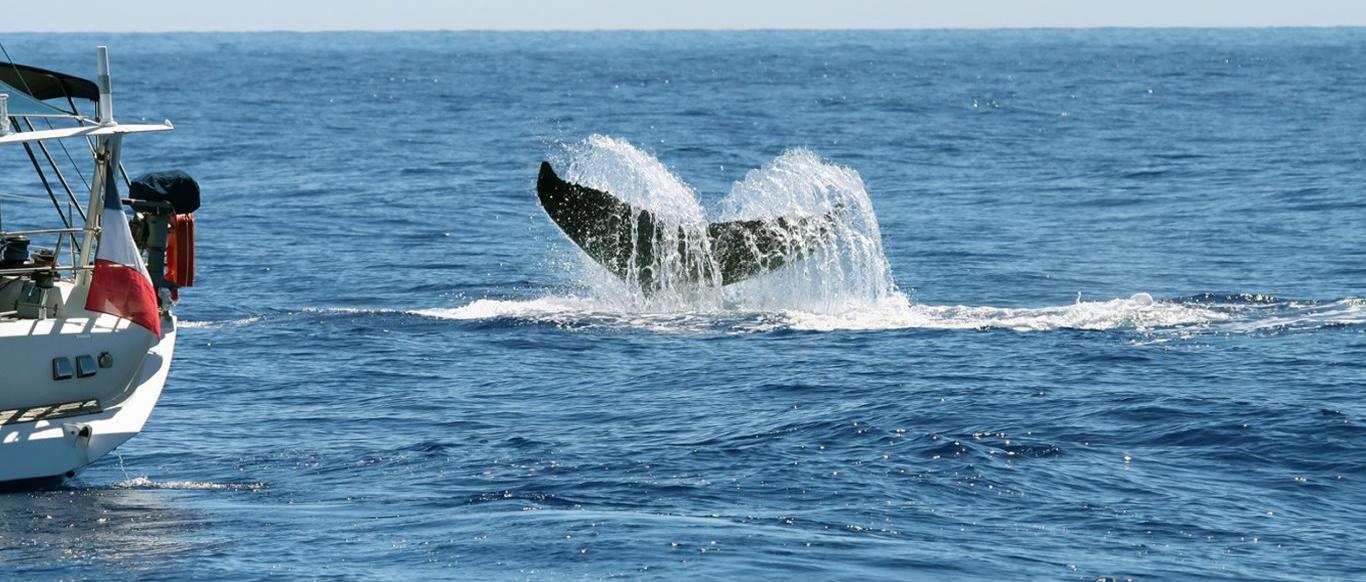
What Makes a Boat a Yacht? Boat vs Yacht

Yachts are often seen as the pinnacle of luxury boating, conjuring images of opulence and exclusivity. But what exactly makes a boat a "yacht"? While there's no single definitive factor, there are some key characteristics that typically set yachts apart from other recreational boats.
Size and Scale
One of the most obvious traits of a yacht is its large size. There's no strict length requirement, but yachts are generally over 30 feet long. Mega yachts over 100 feet are common among the ultra-wealthy. The scale of a yacht provides more interior volume for amenities and living spaces. Staterooms, multiple decks, expansive entertaining areas, and storage for tenders and toys are hallmarks of larger yachts.
Performance and Range
Yachts are designed for comfortable cruising over long distances. While some can reach high speeds, a yacht's true performance measure is its range and seakeeping abilities. Advanced hull designs, weight distribution, and powerful propulsion systems allow yachts to cruise efficiently at displacement speeds. Long-range fuel tanks, water capacity, and provisions storage allow self-sufficient voyaging. Stabilization systems minimize roll for smooth sailing in open waters.
Luxury and Customization
Yachts represent the pinnacle of luxury and customization. Only the finest, most premium materials and finishes are used throughout a yacht. Custom-built yachts are tailored to an owner's specifications, with personalized layouts and bespoke detailing. Concierge amenities, multimedia systems, fine dining, spas, gyms, and relaxation spaces create a luxurious onboard lifestyle. Some include helipads, submarines, pools, and lavish master suites larger than most homes.
Professional Crew
A key distinction between yachts and other boats is the presence of a professional crew, including a captain, mates, engineers, chefs, stewards, and more. The crew handles all operation and maintenance of the yacht and pampers guests with 5-star service. Some larger yachts have dozens of full-time crew members providing around-the-clock service. This frees the owners and guests to fully enjoy the yachting lifestyle.
Sophisticated Naval Architecture and Engineering
Yachts are designed and engineered to the highest standards. Naval architects optimize the hull shape for efficiency, stability, and sea-keeping ability. Advanced propulsion systems, generators, stabilizers, and other systems provide reliability, safety, and control. Yacht construction utilizes specialized materials and practices. Aluminum and advanced composites like carbon fiber are common in modern yacht construction. The sophisticated engineering ensures offshore-worthy structural strength and integrity.
Premium Branding and Recognition
The yacht label denotes a premier status, much like luxury cars and watches. Iconic yacht builders like Azimut, Sunseeker, Princess, and Ferretti are globally recognized luxury brands. Ownership of an elite yacht, especially from a leading builder, provides prestige and distinction. Some builders even offer customization services to tailor the yacht's amenities, layout, decor, and exterior styling. Unique design elements and bespoke interior furnishings make a yacht truly one-of-a-kind.
High Cost of Ownership
Yachts represent a significant financial investment, typically costing millions to tens of millions of dollars. Larger yachts have annual operating costs up to 10% of the purchase price. Marinas, crew salaries, fuel, maintenance, and taxes all contribute to the high cost of yacht ownership. The exorbitant price and upkeep places yachts firmly in the realm of the wealthy. However, chartering a luxury yacht also provides access for those looking to experience the yachting lifestyle.
Yacht Chartering Services
The charter yacht industry caters to those seeking the amenities of a crewed luxury yacht without full ownership. Yachts are rented out by professional charter companies for vacations, events, corporate use, and exotic excursions. Charter guests enjoy the freedom and facilities of the yacht without the responsibilities of ownership. Chartering a yacht provides a sampling of the lavish pleasures of yachting at a more affordable price point compared to ownership. It also allows non-owners to enjoy different boats around the world.
Key Factors in Yacht Design and Building
Several important considerations go into engineering and constructing a yacht to meet expectations of performance, safety, and luxury:
- Hull Design - The hull shape greatly influences the yacht's efficiency, stability, and motion. Design factors like length, displacement, keel depth, bow shape, and waterline length impact seakeeping abilities.
- Propulsion System - Yachts require powerful, reliable engines, often with multiple engines for redundancy. Fuel capacity directly affects range. Many yachts have backup generators and auxiliary power systems.
- Materials and Construction - Yachts are fabricated from thick, robust materials like steel, aluminum alloys, or advanced composites. Premium finishes and meticulous systems integration create an onboard masterpiece.
- Stability Systems - Stabilizing fins, gyros, and counter-rotating props combat roll motion, providing steady comfort while underway. Dynamic positioning maintains heading and position without anchoring.
- Interior Design - Yacht interiors are designed for luxury, comfort, and utility. Smart space planning seamlessly blends social, private, storage, service, and technical spaces. Fine materials and bespoke detailing create a unique onboard aesthetic.
- Technical Systems - Advanced navigation, communication, entertainment, comfort and utility systems are installed and integrated to the highest yachting standards. Total system redundancy ensures seamless operation offshore.
- Flag State Registration - Yachts must be registered in a particular country, called the flag state, which oversees vessel inspection, certification, and regulations. Popular flag states include Cayman Islands, Marshall Islands, and St. Vincent and the Grenadines.
Yacht Ownership and Operations Costs
Owning and operating a yacht entails significant costs, ranging from millions for a modest yacht to over $100 million for the largest mega yachts:
- Purchase Price - From under $1 million for smaller yachts up to $500+ million for an elite mega yacht. Larger yachts can have yearslong build times.
- Insurance - 1-2% of hull value. Liability and comprehensive policies protect the asset and guests.
- Dockage and Berthing - Long term marina slip fees or yacht club dues. Daily guest rates at ports/marinas visited. Annual costs of $100,000+ for larger yachts.
- Fuel - Several hundred to thousands of dollars per hour underway. Long range tanks require huge fuel outlays.
- Maintenance - Regular upkeep, repairs, and system checks cost 10-30% of yacht cost annually. Yard periods every 2-5 years are most expensive.
- Crew Salaries - Captains earn $150k+, with salaries for full crew ranging from $300k-$1million+ depending on size.
- Management and Administration - Accounting, legal, registrations, regulations, taxes, and other obligations related to owning a yacht.
- Supplies Provisioning - Stocking food, beverages, linens, cleaning products, spares, tenders and toys. Wines and spirits are expensive consumptions.
- Taxes - Sales tax upon purchase. Annual property taxes and registration fees. Some locations levy special yacht and luxury taxes.
Renting a Yacht
Renting a yacht presents a unique opportunity for those who wish to experience the luxury and exclusivity of yachting without the commitment of ownership. This option allows individuals to enjoy the sophistication and amenities of a yacht for a limited time, perfect for special occasions, vacations, or exploring different waterways. Yacht rentals come with a professional crew, ensuring a seamless and high-end experience. This flexibility makes the yachting lifestyle accessible to a broader audience, offering a glimpse into the world of luxury boating with reduced financial obligations
FAQs about Yachts:
What's the difference between a yacht and a boat?
The main differences are size, luxury, amenities, professional crew, and cost. Yachts are large, lavishly appointed vessels with sophisticated engineering and design. They have crews to operate the vessel and serve guests. Yacht ownership and operation costs millions. Regular boats lack the size, bespoke luxury, amenities, and cost of yachts.
What's the smallest size for a yacht?
While definitions vary, most consider boats over 30 feet to have entered the realm of yachting. Luxury amenities and finishings generally increase with size. Some motor yachts are considered mini-superyachts starting around 70 feet. Megayachts are over 100 feet.
What features define a luxury yacht?
Premium amenities like multiple staterooms, expansive deck and lounge spaces, stabilized hulls, entertainment systems, spa and wellness facilities, water toys, and high-end finishes characterize luxury yachts. Concierge crews provide 5-star service. Personalization through custom layouts and detailing creates exclusive luxury.
What does a yacht captain do?
The captain oversees all aspects of operating and maintaining the yacht and crew. Responsibilities include planning/executing safe voyages, crew management, vessel maintenance, guest services, administering rules and regulations, docking/anchoring, weather monitoring, and more. They must possess extensive nautical knowledge, leadership skills, and service excellence.
How much does it cost to operate a yacht?
Total operating costs generally range from 10-20% of the purchase price annually. Larger factors are dockage/mooring fees, fuel costs while cruising, crew salaries, regular maintenance, and periodic refit costs. Yachting is an extremely expensive endeavor reserved for the mega-wealthy due to the exorbitant purchase price and annual operating costs.