

Winterizing Your Boat: Guide for Off-Season Protection
Winterizing is a vital step for boat owners, especially in regions with freezing temperatures. Properly winterizing your boat protects it from freezing, corrosion, and mold growth, which could lead to costly repairs and maintenance in the spring. Here’s an extended step-by-step guide to ensure your boat stays in top shape throughout the winter.
Step-by-Step Winterization Checklist
- Drain the Engine Water: Remove all water from the engine and any other components where water accumulates. Water left in the engine can freeze and expand, potentially causing cracks or other serious damage.
- Protect the Engine with Fogging Oil: Spray fogging oil into the engine’s intake before the last run. This coats internal components with a layer of protection that reduces corrosion during the cold months.
- Stabilize the Fuel System: Add a fuel stabilizer to the gas tank and run the engine for a few minutes to circulate the stabilizer throughout the system. This prevents the fuel from breaking down and creating varnish deposits, which can clog carburetors or fuel injectors.
- Replace Fuel Filters and Water Separators: Over the season, water and debris accumulate in filters, leading to clogs and contamination in the fuel system. Replacing fuel filters and water separators before winter ensures clean fuel flow when the boat is restarted.
- Drain Plumbing and Freshwater Systems: To prevent any freshwater system components from freezing, drain all water from sinks, showers, and water tanks. Adding non-toxic, marine-grade antifreeze to these systems ensures they stay protected.
- Drain Additional Systems: Remove all water from bilge pumps, live wells, and raw water washdown systems, as any residual water could freeze and damage hoses and pumps.
- Remove and Inspect Drain Plugs: Ensure all drain plugs are removed and safely stored for the winter. While the plugs are out, take the time to inspect them for any signs of wear or damage that could compromise their effectiveness.
- Clean and Store: A clean boat prevents dirt and salt residue from causing corrosion or staining over the winter. Wash and dry your boat’s exterior, interior, and storage compartments, and apply a protective wax layer.
- Cover or Store Your Boat: Finally, invest in a good-quality boat cover or choose a dry, protected storage space. A cover or indoor storage helps protect your boat from moisture, debris, and pests.
Additional Key Winterization Areas
Winterization involves more than just draining water and covering your boat. Here are some additional areas to focus on:
- Hull Protection: Check the hull for any scratches, cracks, or blistering and repair them before storage. Damage can worsen over time, especially if left exposed to moisture. Apply a fresh coat of wax to seal and protect the hull.
- Battery Maintenance: Batteries should be fully charged before storing. Disconnect the battery and store it in a cool, dry place to prevent freezing. Consider using a trickle charger to maintain battery health through the winter.
- Propeller and Drive Unit: Inspect the propeller and drive unit for damage. Remove the propeller, clean it, and check for fishing lines or debris wrapped around the shaft, which could cause corrosion or vibration issues. Lubricate the shaft and store the propeller separately to prevent damage.
- Inspect Hoses and Clamps: Check all hoses for cracks, bulges, or signs of wear and replace any that appear damaged. Loose or corroded clamps should be replaced to avoid leaks.
- Antifreeze Application: Use only environmentally-safe antifreeze for the cooling systems, plumbing, and engine, as it’s non-toxic and safe to discharge in spring. Make sure to check your owner’s manual for the specific type recommended.
Engine-Specific Winterization Tips
Engines vary in their winterization needs. Here’s how to care for outboard, stern drive, and inboard engines:
- Outboard Engines:
- Flush the engine with fresh water to remove any salt or debris.
- Tilt the engine down to allow all water to drain, preventing any trapped water from freezing.
- Spray fogging oil through the carburetor while the engine is running, following the manufacturer's recommendations to coat internal components.
- Change the engine oil and replace the oil filter.
- Stern Drives:
- Drain all water from the cooling system and fill it with antifreeze, as directed.
- Check the bellows and gimbal bearing for signs of wear or cracks, as these parts are especially vulnerable to cold damage.
- Inspect the exhaust manifolds, as well as the drive unit, and apply grease to moving parts.
- Flush the cooling system, change the oil, and perform a final fogging treatment.
- Inboard Engines:
- Drain or flush with antifreeze the entire cooling system to protect internal components from freezing.
- Lubricate fittings and moving parts, as well as the water pump impeller.
- Close the seacock and ensure that antifreeze is circulated throughout.
- Change the engine oil and oil filter to avoid contamination buildup during storage.
Comprehensive Fuel System Winterization
Proper fuel system maintenance is critical to avoiding clogging or contamination issues. Here’s how to handle fuel systems correctly:
- Add Stabilizer: Gasoline can absorb moisture and deteriorate over time, especially ethanol-based fuel, which may cause fuel separation and lead to clogs or corrosion.
- Run the Engine to Distribute Stabilizer: Start and run the engine for a few minutes to allow the stabilizer to move through the system, protecting internal components from ethanol’s effects.
- Change Fuel Filters and Water Separators: As fuel stabilizer circulates, it may release water or particles caught in the filters. Replacing filters prevents these contaminants from reaching the engine.
Detailed Plumbing System Winterization
- Drain Freshwater Systems: Empty all tanks and plumbing lines connected to sinks, heads, and showers. Pour non-toxic antifreeze into each of these systems, running it through faucets and showers until you see the antifreeze color to ensure all lines are filled.
- Flush Holding Tanks: Pump out holding tanks and add antifreeze to prevent any residual waste or water from freezing, which could damage tanks and plumbing.
- Hot Water Heaters: If possible, bypass hot water heaters by disconnecting lines. This saves antifreeze and ensures the heater remains protected throughout winter.
The Final Step: Safe Storage
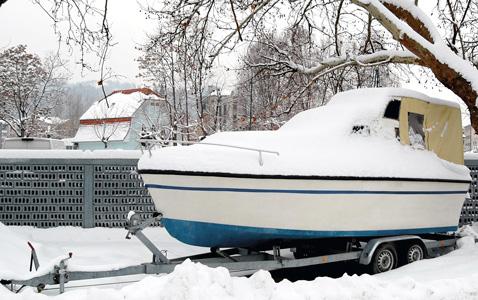
Storing your boat correctly is the final and one of the most important steps. Options include dry storage, indoor heated storage, or using a high-quality cover. Indoor storage is preferable in colder climates, offering maximum protection from freezing temperatures. If you choose to store your boat outdoors, invest in a durable cover that can withstand heavy snow and rain, ensuring it is secured tightly to prevent water or pests from entering.
Proper winterization ensures your boat remains in excellent condition and prolongs its lifespan. By following these steps, you’ll enjoy a worry-free winter season and a smoother start when boating season returns.